SB8
Science with the Vera C. Rubin LSST: A Pathfinder for Future Planetary Missions
Co-organized by MITM
Orals WED4
|
Wed, 09 Sep, 16:00–17:30 (CEST) Room Earth (Tango 1)
Posters TUE-POS
|
Attendance Tue, 08 Sep, 18:00–19:30 (CEST) | Display Tue, 08 Sep, 08:30–19:30 |Foyer 3, F3.48–54

The session focuses on contributions that link LSST discoveries to physical interpretation and mission-relevant applications. Emphasis is placed on time-domain observations that constrain activity, surface evolution, fragmentation, rotational, and non-gravitational dynamics, together with their implications for mission planning, including target selection and coordinated follow-up.
Contributions addressing survey-to-mission pathways are particularly encouraged, including methodological advances for extracting physically interpretable, mission-relevant parameters from large time-domain datasets. The session also welcomes studies of rare or non-standard transient phenomena, such as anomalous small bodies, “dark comets,” and statistical searches for compact dark-matter flybys, with emphasis on robust observational constraints.
At the interface between LSST discoveries and mission-enabling applications, the session highlights LSST’s role as a pathfinder for future planetary missions through reflecting the emergence of interconnected, time-domain Solar System science, in which discovery and quantitative physical characterisation increasingly proceed in parallel.
Session assets
16:00–16:15
|
EPSC2026-64
|
solicited
|
On-site presentation
16:15–16:27
|
EPSC2026-93
|
On-site presentation
16:27–16:39
|
EPSC2026-1111
|
ECP
|
On-site presentation
16:39–16:51
|
EPSC2026-271
|
ECP
|
On-site presentation
16:51–17:03
|
EPSC2026-751
|
On-site presentation
17:03–17:15
|
EPSC2026-995
|
ECP
|
On-site presentation
17:15–17:30
|
EPSC2026-110
|
solicited
|
On-site presentation


F3.48
|
EPSC2026-84
|
ECP
|
On-site presentation
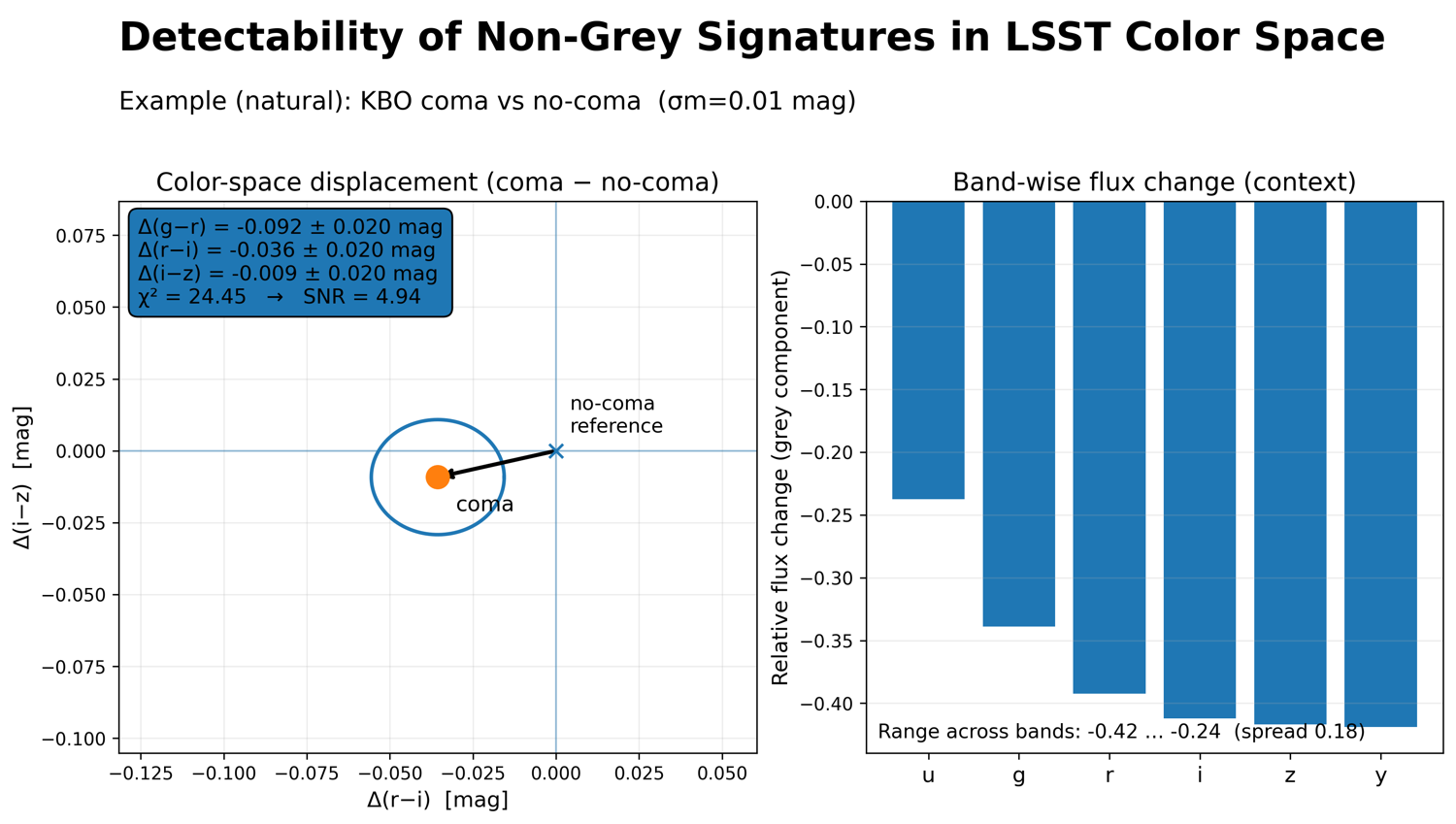
F3.49
|
EPSC2026-91
|
ECP
|
Virtual presentation
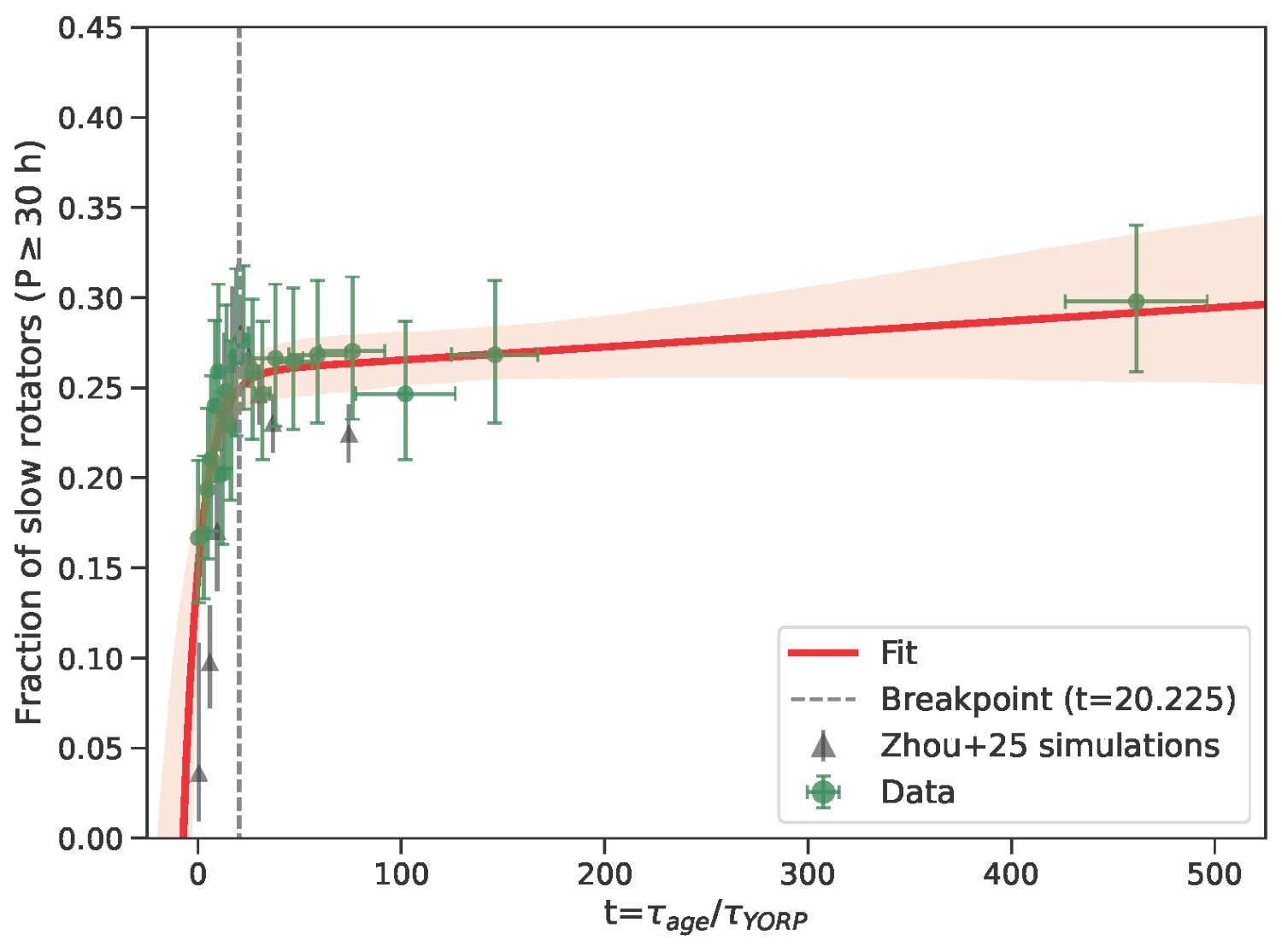
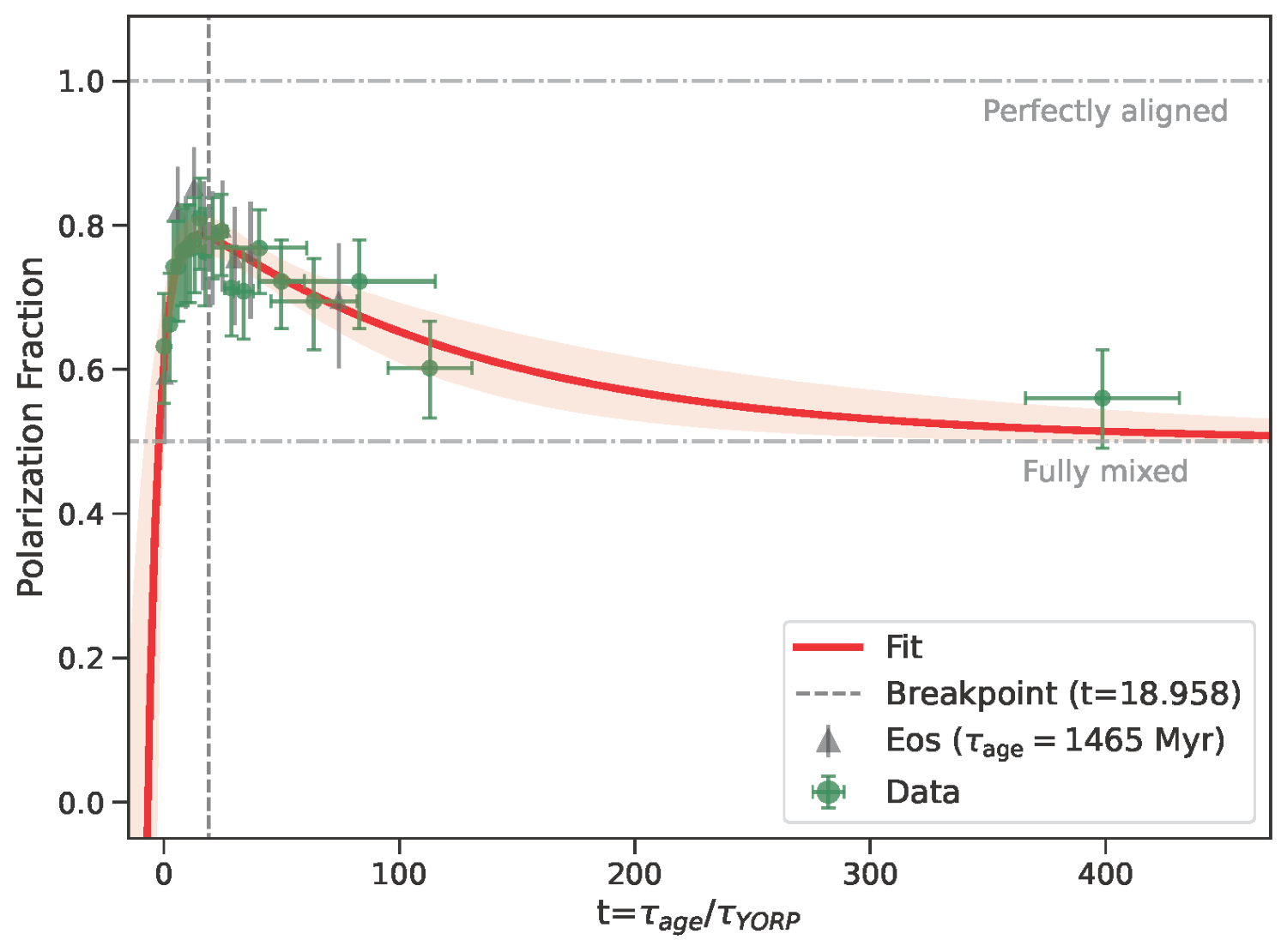
F3.50
|
EPSC2026-382
|
ECP
|
On-site presentation
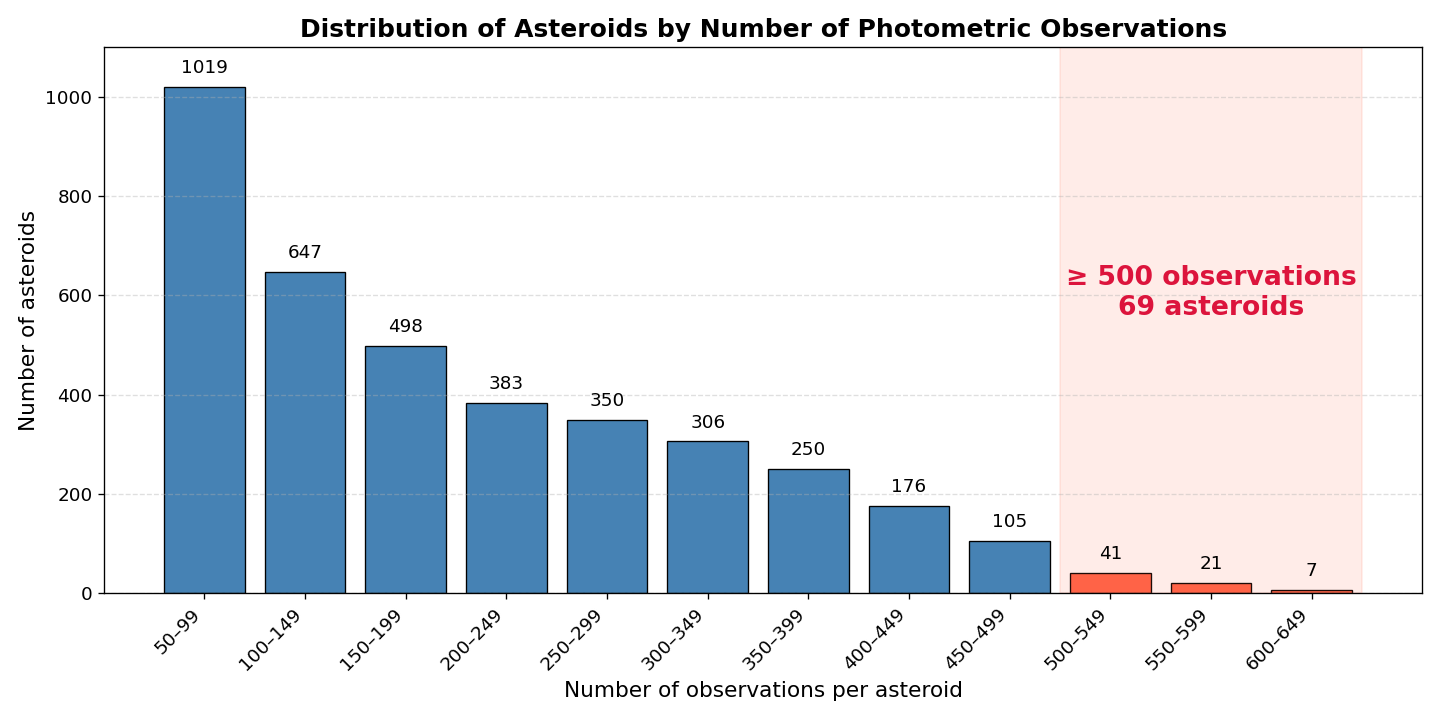
F3.51
|
EPSC2026-800
|
On-site presentation
F3.52
|
EPSC2026-859
|
On-site presentation
F3.53
|
EPSC2026-1164
|
ECP
|
Virtual presentation
F3.54
|
EPSC2026-1358
|
ECP
|
On-site presentation