EXOA13
Ice Chemistry: From Molecular Clouds to Planetary Systems
Orals THU1
|
Thu, 10 Sep, 08:30–10:00 (CEST) Room Saturn (Jazz 3)
Orals THU2
|
Thu, 10 Sep, 11:00–12:30 (CEST) Room Saturn (Jazz 3)
Posters THU-POS
|
Attendance Thu, 10 Sep, 18:00–19:30 (CEST) | Display Thu, 10 Sep, 08:30–19:30 |Foyer 2, F2.63–70

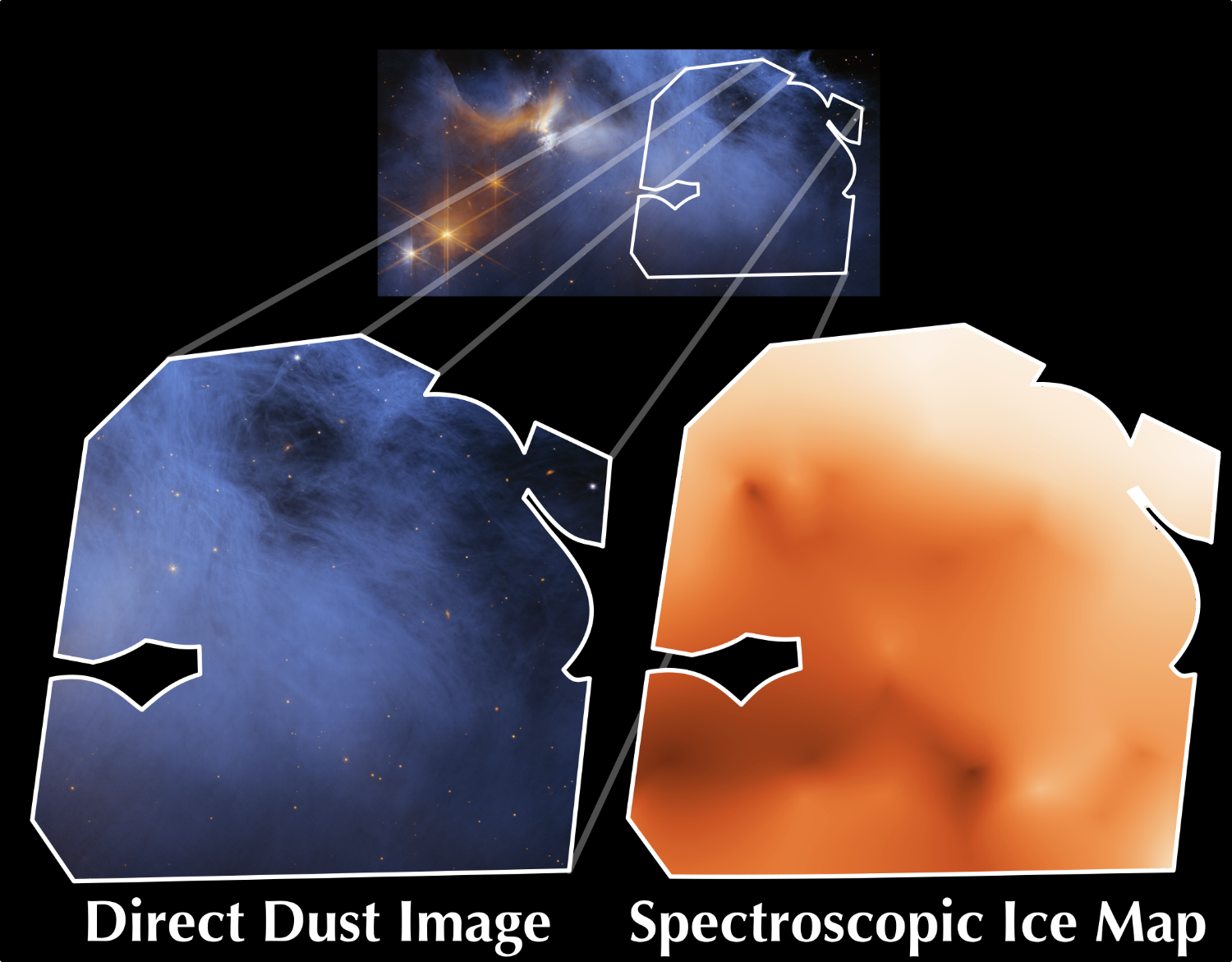
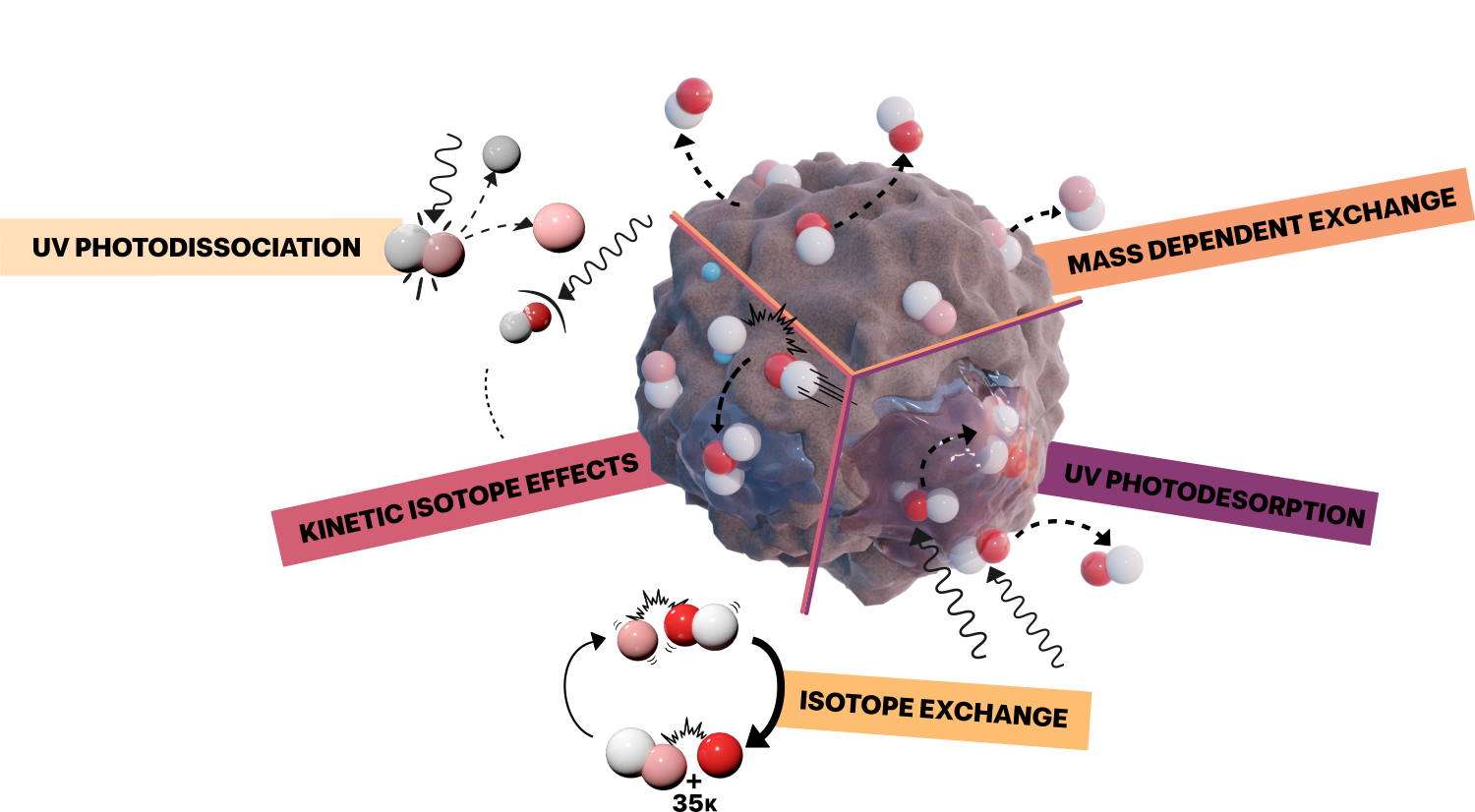
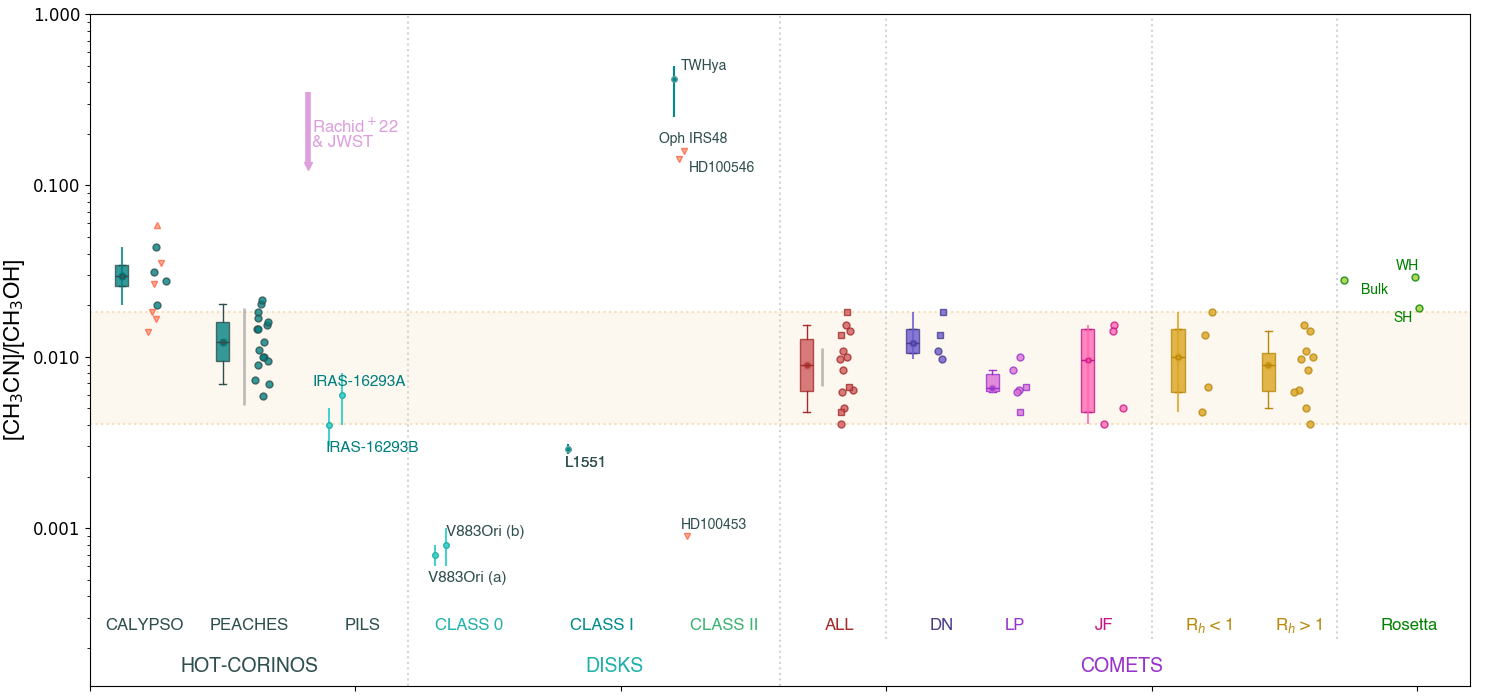
Interstellar ices are not merely passive reservoirs; they act as molecular factories where simple species are transformed into increasing chemical complexity through surface reactions, UV-driven photochemistry, and thermal processing. These icy mantles store and transport volatile material that ultimately becomes incorporated into protoplanetary disks and nascent planets. Understanding how molecules form, evolve, and survive in the solid state is therefore essential for tracing the chemical inheritance of icy bodies in planetary systems.
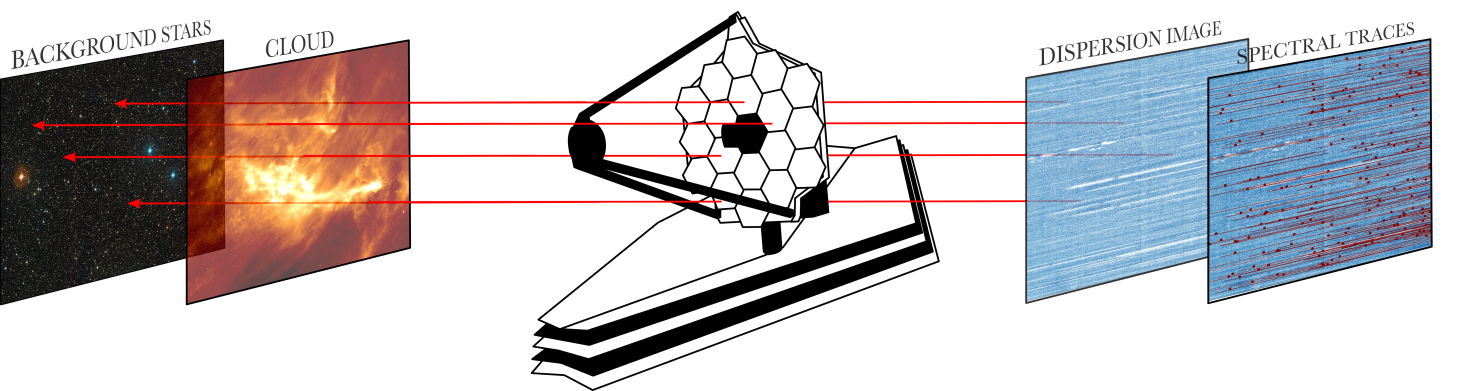
This session places solid-state chemistry at the center of the molecular inheritance problem, examining how icy grain mantles regulate the chemical inventory ultimately incorporated into forming planetary systems. Key topics include gas–grain chemistry, reaction networks and rates, energetic and thermal processing of ices, volatile transport and reprocessing in disks, and the transmissive and reflective spectroscopic characterization of molecular solids at high resolution. We invite contributions spanning laboratory astrochemistry of ices and organics, chemical modeling, and JWST ice observations in molecular clouds, (proto)planetary systems, icy moons, and comets to develop physico-chemical frameworks that unify chemical networks and constrain the volatile inventories inherited by forming planets.
Session assets
Block 1
08:30–08:45
|
EPSC2026-87
|
solicited
|
On-site presentation
08:45–09:00
|
EPSC2026-1202
|
solicited
|
On-site presentation
09:00–09:12
|
EPSC2026-210
|
ECP
|
On-site presentation
09:12–09:24
|
EPSC2026-929
|
ECP
|
On-site presentation
09:24–09:36
|
EPSC2026-1149
|
ECP
|
On-site presentation
09:36–09:48
|
EPSC2026-143
|
On-site presentation
09:48–10:00
|
EPSC2026-355
|
ECP
|
On-site presentation
Block 2


11:00–11:15
|
EPSC2026-860
|
solicited
|
On-site presentation
11:15–11:30
|
EPSC2026-261
|
solicited
|
On-site presentation
11:30–11:42
|
EPSC2026-1347
|
ECP
|
On-site presentation
11:42–11:54
|
EPSC2026-591
|
ECP
|
On-site presentation
11:54–12:06
|
EPSC2026-1003
|
On-site presentation
12:06–12:18
|
EPSC2026-951
|
ECP
|
On-site presentation
12:18–12:30
|
EPSC2026-602
|
On-site presentation
F2.63
|
EPSC2026-90
|
ECP
|
On-site presentation
F2.64
|
EPSC2026-694
|
ECP
|
On-site presentation
F2.65
|
EPSC2026-903
|
ECP
|
Virtual presentation
F2.66
|
EPSC2026-898
|
ECP
|
On-site presentation
F2.67
|
EPSC2026-1137
|
On-site presentation
How interstellar ice growth shapes the CO band
(withdrawn after no-show)
F2.68
|
EPSC2026-1058
|
ECP
|
On-site presentation
F2.69
|
EPSC2026-1288
|
ECP
|
Virtual presentation
Ices in Young Embedded Disks
(withdrawn)
F2.70
|
EPSC2026-374
|
On-site presentation