EXOA15 | From protostars to planets: The first stages of planet formation

EXOA15

From protostars to planets: The first stages of planet formation
Convener: Lukasz Tychoniec | Co-conveners: Pooneh Nazari, Melissa K. McClure, Eleonora Fiorellino, Joanna Drazkowska, Alexander Cridland
Orals MON4
| Mon, 07 Sep, 16:30–17:50 (CEST)|Room Saturn (Jazz 3)
Orals TUE1
| Tue, 08 Sep, 08:30–09:57 (CEST)|Room Saturn (Jazz 3)
Orals TUE2
| Tue, 08 Sep, 11:00–12:30 (CEST)|Room Saturn (Jazz 3)
Posters MON-POS
| Attendance Mon, 07 Sep, 18:00–19:30 (CEST) | Display Mon, 07 Sep, 08:30–19:30|Foyer 3, F3.64–69
Mon, 16:30
Tue, 08:30
Tue, 11:00
Mon, 18:00
The first steps of planet formation occur when the young protostar (less than half a million years old) is still heavily accreting material, the planet-forming disk is growing, and the system itself is still enshrouded in the dust and gas of the natal cloud. Due to recent advances in observational studies with ALMA, JWST, and VLT, as well as theoretical work on the earliest stages of protostellar evolution, a wealth of information on those ‘first days’ of planets has been uncovered.
This session aims to present recent advances in protostellar studies and their impact on planet formation, Solar System studies, and exoplanet characterization, with the goal of strengthening links among those communities and experts in protostellar studies. The session invites contributions from theoretical and observational studies of young protostellar systems, including, but not limited to:
- Molecular and elemental composition of young disks and their comparison to mature ones
- Dust in the young disks and of the protostellar system: thermal processing of interstellar solids and minerals condensation, radial dust transport and refractory content of the jets, first stages of grain growth
- Infall and accretion onto the youngest protostars and their impact on the disk evolution, tracers of ongoing planet formation and accretion onto protoplanets
- Comparison of protostellar data with Solar System record of condensation of solids, the formation of chondrules, and the accretion of planetesimals.

Orals MON4: Mon, 7 Sep, 16:30–17:50 | Room Saturn (Jazz 3)

Chairperson: Lukasz Tychoniec
16:30–16:35
16:35–16:50
|
EPSC2026-966
|
solicited
|
On-site presentation
Alejandro Santamaría, Pietro Curone, Isabel Rebollido, and Pablo Riviere Marichalar

We present new high-angular-resolution ALMA Band 7 observations of the Class II brown dwarf 2MASS J04442713+2512164 (2M0444), one of the brightest and most extended brown dwarf disks known to date. The observations combine 0.89 mm continuum emission with 12CO (3–2) and 13CO (3–2) molecular line data, reaching a spatial resolution of 0.046″(~6.4 au). These data allow us to explore the structure and kinematics of the disk at unprecedented scales in the substellar regime.

The 12CO emission reveals a rotating Keplerian disk, enabling the first dynamical mass determination for this source directly from ALMA observations. Depending on the fitting methodology, we derive a central mass between 0.043 and 0.092 M, placing 2M0444 at or near the substellar boundary and making it the lowest-mass object with a dynamical mass constraint derived from ALMA disk kinematics. The observations also reveal a striking difference between the radial extent of the gas and dust components. Visibility-plane analysis indicates a gas-to-dust size ratio larger than 6, significantly higher than expected from optical depth effects alone and consistent with efficient radial drift of millimeter-sized grains toward pressure maxima within the disk.

Our continuum visibility analysis reveals tentative evidence for annular substructure within the inner disk. Independent modeling using both the nonparametric frank framework and parametric galario fitting recovers a possible gap and ring pair located at approximately 14–16 au. The visibility profile departs from a smooth Gaussian morphology and shows oscillatory behavior consistent with unresolved substructure. In addition, new ALMA observations obtained at even higher angular resolution (~0.020″) reveal, in the image plane, a second candidate gap-ring pair located at a radius of approximately 50 au. These preliminary results suggest that the disk may host multiple substructures across a broad range of spatial scales. If confirmed, these detections would represent some of the first resolved disk substructures identified in the brown dwarf regime.

Assuming the inner gap is produced by an embedded companion, empirical relations suggest a planet mass between 0.3 and 7.7 M, compatible with rocky planet formation through core accretion. Such a scenario would imply that even very low-mass disks are capable of forming planetesimals and potentially terrestrial planets, despite the severe limitations imposed by rapid dust drift and low disk masses.

These results provide new insight into dust evolution, disk dynamics, and planet formation around substellar objects. They also highlight the importance of very high spatial resolution ALMA observations for probing the architecture of brown dwarf disks and testing whether the mechanisms shaping disks around solar-type stars extend into the lowest-mass regime.

How to cite: Santamaría, A., Curone, P., Rebollido, I., and Riviere Marichalar, P.: Hints of Disk Substructure in the First Brown Dwarf with a Dynamical Mass Constraint, Europlanet Science Congress 2026, The Hague, The Netherlands, 7–11 Sep 2026, EPSC2026-966, https://doi.org/10.5194/epsc2026-966, 2026.

16:50–17:02
|
EPSC2026-1175
|
ECP
|
On-site presentation
Asako Sato, Anaëlle Maury, Josep-Miquel Girart, Valentin Le Gouellec, and Leonardo Testi

The evolution of astrophysical dust during early star formation is vital to understanding disk and planet formation, and magnetic fields play a role in regulating this process. Theoretical studies proposed two main mechanisms for dust polarization at (sub-)millimeter wavelengths: dust grain alignment due to the magnetic field (e.g., Lazarian et al. 2015) and self-scattering (Kataoka et al. 2015), yet differentiating between them in observations is challenging, underlining the need for more polarization data.

 IRAS 04166-2706 (K66) and IRAS 04169-2702 (K69) are Class 0/I protostars embedded in the B213 filament. These are ideal sources to study dust evolution and the role of magnetic fields, thanks to their similar ages and the shared environment with a common magnetized configuration at the filament scale. As part of PEBBLES project, Sato et al. (2026, A&A, 706, A292), using ALMA 1 mm and 3 mm polarimetric observations resolving both the protoplanetary disks and the envelopes at 25 au and 1000 au resolutions, revealed striking differences between the two sources. K66 likely exhibits hourglass-shaped B-fields at envelope scale, and both magnetically grain alignment and self-scattering could be dominant around the disk. In contrast, K69 has more compact and weaker polarized emission at all the scales, and self-scattering could be dominant in the disk. Intriguingly, we might have found self-scattering in the inner envelope of K66, implying the existence of large grains in the envelope. This supports the theoretical works proposing grain growth in the envelope (e.g., Lombart et al. 2026) and/or ejection of large grains onto the envelope by protostellar outflows (e.g., Tsukamoto et al. 2021). I will discuss the difference between K66 and K69 and dust evolution at the early star formation phase.

 Additionally, I present our recent work on a first NOEMA polarimetric survey toward ~32 Class 0 sources (ENYGMA project), providing a new statistical view of magnetized dust evolution in deeply embedded protostellar systems. As part of this, by combining NOEMA 3 mm and ALMA 0.87 mm polarization data for 10 Orion B sources, I will discuss how multi-wavelength polarization and the dust emissivity reveal dust evolution at the early stages of star formation.

How to cite: Sato, A., Maury, A., Girart, J.-M., Le Gouellec, V., and Testi, L.: Refining Dust Properties in Protostellar Envelopes and Disks: Insights from ALMA and NOEMA Observations (PEBBLES/ENYGMA), Europlanet Science Congress 2026, The Hague, The Netherlands, 7–11 Sep 2026, EPSC2026-1175, https://doi.org/10.5194/epsc2026-1175, 2026.

17:02–17:14
|
EPSC2026-840
|
ECP
|
On-site presentation
Massimiliano Bolchini, Leonardo Testi, Anaëlle Maury, Francesco Zagaria, and Ugo Lebreuilly

Envelope-embedded Class 0 and I protostars represent the earliest stage of protoplanetary disk evolution, setting the initial conditions for subsequent disk growth and planet formation. Despite their importance, the bulk properties of these disks remain poorly constrained statistically, primarily because the surrounding envelope emission contaminates interferometric observations.

We present an analysis of high angular resolution ALMA Band 7 archival data from the Orion VANDAM survey. To robustly separate disk and envelope contributions, we perform visibility-plane fitting using a two-component model: a Gaussian disk and a Plummer-sphere envelope profile. This approach allows us to reliably constrain disk radii for a sample of 120 Class 0 and Class I sources in Orion.

We find that Class 0 disks are systematically smaller than Class I disks, with median radii of 40 AU and 50 AU, respectively. This confirms that disks are born small and grow over time, consistent with magnetic braking playing a significant role in regulating angular momentum during the earliest collapse phase.

We further analyze complementary VLA 9 mm data and investigate the multiwavelength radius–luminosity scaling relation for both classes, comparing it with that established for more evolved Class II disks, and to constrain dust grain properties and opacity in the youngest embedded disks. We additionally compare our observed disk size distributions with synthetic disk populations from numerical simulations spanning a range of physical conditions, in order to assess which formation scenarios are most consistent with the data. Together, these results place strong observational constraints on the initial conditions of disk evolution and planet formation.

How to cite: Bolchini, M., Testi, L., Maury, A., Zagaria, F., and Lebreuilly, U.: Class 0/I disk sizes in Orion, Europlanet Science Congress 2026, The Hague, The Netherlands, 7–11 Sep 2026, EPSC2026-840, https://doi.org/10.5194/epsc2026-840, 2026.

17:14–17:26
|
EPSC2026-347
|
ECP
|
On-site presentation
Femke Ballieux and Melissa McClure

Context
The formation of planets such as Earth starts with the recondensation of refractory minerals from hot gas close to a protostar. Recently, crystalline silicates were found to be recondensing from a reservoir of hot SiO gas around Class I protostar HOPS-315 (McClure+25), making it the first detection of this so-called t=0 phase of planetesimal formation. A depletion of iron and silicon in the protostellar jet suggests this t=0 moment may be associated with the formation of the first planetesimals in this disk, similar to the association of refractory inclusions and iron-meteorite parent bodies in the Solar System.

Aims
In this work, we explore whether an even younger Class I protostar with similar properties and system geometries, is engaged in such refractory recondensation as well. A detection of cool gas-phase SiO in absorption above a hot disk midplane would allow us to achieve this goal, thanks to a previous Spitzer detection of crystalline silicates.

Methods
The protostar was observed with the JWST Mid-Infrared Instrument and Near Infrared Spectrograph, showing multiple bands of molecular absorption similar to HOPS-315. We use local thermal equilibrium slab models to measure the temperature, column density, velocity, and radial location of these bands.

Results
The molecular absorption bands of gaseous SiO, H2O, CO, CO2, HCN, and C2H2 trace a warm molecular inversion layer (~ 300 - 500 K) at mid-altitudes above the hot disk midplane from 0.3 - 19 AU, which is consistently blue-shifted with respect to the system velocity by 33-53 km s-1. ALMA observations of this protostar kinematically resolve an SiO-rich jet and wind. Unlike for HOPS-315, the infrared SiO velocity for this source matches the velocity of the disk wind.
We find that the young protostar is more carbon-rich than HOPS-315, as we detect multiple additional hydrocarbon species, that were not detected in HOPS-315

Conclusions
We confirm that this protostar, like HOPS-315, is undergoing an epoch analogous to the t=0 moment in the Solar System's planet formation timeline. The detected warm molecular layer traces the base of a disk wind, which carries sublimated silicates and soot from the thermostat region near 2 AU up into the outer disk. We sketch out this proposed mechanism in the figure below.

We find that this source is likely younger than HOPS-315. Therefore, the differences in carbon-rich chemistry between them may be age-related. Its carbon-rich chemistry is likely caused by carbon-rich material being sublimated off the grains in the inner disk and then transported outwards via the detected disk wind. Confirming such a scenario would require higher-resolution (sub)-mm observations of this source. Future identifications of more sources undergoing refractory recondensation will allow us to determine how source age influences the presence and detectability of the t=0 phase.

How to cite: Ballieux, F. and McClure, M.: It's getting hot in here: Refractory solid condensation in a disk around a Class I protostar, Europlanet Science Congress 2026, The Hague, The Netherlands, 7–11 Sep 2026, EPSC2026-347, https://doi.org/10.5194/epsc2026-347, 2026.

17:26–17:38
|
EPSC2026-431
|
On-site presentation
Pablo Rivière-Marichalar, Asunción Fuente, Dmitry Semenov, David Navarro, Stefano Facchini, Gisela Esplugues, and Alejandro Santamaría

Planets form in protoplanetary disks, and their composition reflects the physical and chemical conditions of the regions where they are assembled. Protoplanetary disks partially inherit their chemical content from the parent molecular cloud, but this composition can be substantially altered by chemical reprocessing within the disk. Distinguishing between inheritance and in situ reprocessing is therefore a key step toward understanding the diversity of planetary atmospheres.


Class I sources provide an ideal framework to investigate this problem, as they simultaneously host a protoplanetary disk and a protostellar envelope. Since the envelope material is expected to retain a chemical composition closer to that of the natal molecular cloud, comparing the chemistry of the disk and the envelope can provide insights into the relative importance of inheritance and reprocessing. However, disentangling the disk and envelope contributions is challenging and often relies on detailed chemical modeling, where assumptions and uncertainties in the adopted parameters may affect the interpretation of the results.


HL Tau is an excellent laboratory in which to study these processes. It is a well-known Class I protostar in Taurus hosting a protoplanetary disk with prominent substructures in the form of concentric rings and gaps. The system also remains embedded within an infalling envelope. Furthermore, a streamer is feeding the system with fresh material. Understanding the role of these streamers in the mass buildup of young disks is crucial, as they may also alter their molecular composition.

We present interferometric observations of the molecular content of the HL Tau envelope and protoplanetary disk. These observations allow us to compare molecular abundances and abundance ratios between both components and investigate possible evolutionary signatures. The dataset traces sulfur-bearing molecules (CS, H2S, and SO2, see Figs. 1 and 2), formaldehyde, and deuterated species, all of which are sensitive to the evolutionary stage of the source. In particular, the SO2 emission traces gas released from grain surfaces, likely associated with the impact of the streamer onto the disk. We find strong variations in both column densities and molecular ratios between the envelope and the disk. In particular, the N(CS)/N(H2S) ratio is nearly 50 times larger in the envelope than in the disk. This result suggests that molecular ratios can be used to disentangle envelope emission from that arising in the protoplanetary disk. Overall, the observed chemical differences point to significant chemical evolution between both components. Furthermore, we detect azimuthal variations in several molecular ratios across the disk, which may arise from local differences in the excitation conditions.


The detected deuterated species are DCN and DCO+ (J=4-3, see Fig. 3). The two molecules exhibit complementary spatial distributions: DCN shows centrally peaked emission, whereas DCO+ is predominantly concentrated toward the northern part of the disk. This contrasting morphology is consistent with the expected chemical differentiation between both species. DCN is concentrated toward the inner disk, where warmer gas-phase chemistry can efficiently enhance its abundance, while DCO+ preferentially traces colder regions in which deuterium fractionation remains efficient and CO is still present in the gas phase. The north-south asymmetry observed in DCO+ suggests that the physical conditions in the outer disk are not azimuthally uniform, possibly reflecting localized variations in temperature, density, or illumination. Overall, the distinct spatial distributions of DCN and DCO+ indicate that these molecules trace different thermal and chemical regimes within the HL Tau disk.


In summary, HL Tau provides evidence for chemical reprocessing at an early evolutionary stage, at least for the species surveyed in this work. A broader observational study is required to fully characterize the observed chemical differences. In addition, a detailed comparison with astrochemical models including deuteration and sulfur chemistry would provide important constraints on the relative roles of inheritance and chemical reprocessing.


How to cite: Rivière-Marichalar, P., Fuente, A., Semenov, D., Navarro, D., Facchini, S., Esplugues, G., and Santamaría, A.: Chemical inheritance versus reprocessing in protoplanetary disks: HL Tau as a case study, Europlanet Science Congress 2026, The Hague, The Netherlands, 7–11 Sep 2026, EPSC2026-431, https://doi.org/10.5194/epsc2026-431, 2026.

17:38–17:50
|
EPSC2026-138
|
ECP
|
Virtual presentation
Jakobus Vorster, Mika Juvela, Łukasz Tychoniec, and Alessio Caratti O Garatti

Dusty outflows may be an avenue for grain transport in protostellar systems. Such outflows from protostellar star-disk systems have been predicted to explain the crystallinity fractions of long-period comets by lifting thermally processed grains from the hot inner disk into the outflow. Sub-millimetre observations have been interpreted as supporting this view, revealing dust opacity indices β<1, possibly implying large grains in protostellar outflow cavities. Yet, the interpretation of sub-millimetre observations is complicated by temperature variations in the outflow, and β is relatively insensitive to dust composition. Another difficulty with understanding dusty outflows is that theoretical work has mostly focused on the late stages of star formation (Class II), where the dusty envelope has already been cleared. Sub-arcsecond resolution mid-infrared observations with the James Webb Space Telescope are opening a new window into dusty outflows in the earliest stages of star formation. In this talk, based on the JWST Observations of Young Stars (JOYS) survey, we will discuss the detection of dust emission in the Class 0 systems L1448-mm, HH211, and BHR71-IRS1. We argue that the emission is explained by dust lifted from the disk during episodic accretion and heated envelope dust from the outflow cavity. We will also introduce an analytic radiative transfer model that allows us to investigate dust properties (temperature, composition and grain size) in outflow cavities with MIRI MRS. We found that the 5-27 μm mid-infrared emission in the  L1448-mm outflow cavity can be well explained with scattering and two emission temperatures, at 90 K and 400 K. The best-fit models require >90% 0.1 μm grains. We argue that this is difficult to reconcile with the millimetre-sized grain interpretation of β = 0.41±0.16 measured at ~500 au in sub-mm surveys. We will discuss radiative transfer modelling that combines mid-infrared JWST observations with sub-mm ALMA observations of dusty outflows. Looking ahead, we will show preliminary results of a continuum survey of Class 0 sources, to move the mid-infrared study of dusty outflows to significant sample sizes. JWST and ALMA have the resolution and sensitivity to test the role of dusty outflows in embedded Class 0 systems, but we need to develop the analytical tools to interpret these observations.

How to cite: Vorster, J., Juvela, M., Tychoniec, Ł., and Caratti O Garatti, A.: Spatially resolving dusty outflows with JWST/MIRI, Europlanet Science Congress 2026, The Hague, The Netherlands, 7–11 Sep 2026, EPSC2026-138, https://doi.org/10.5194/epsc2026-138, 2026.

Orals TUE1: Tue, 8 Sep, 08:30–09:57 | Room Saturn (Jazz 3)

Chairperson: Melissa K. McClure
08:30–08:45
|
EPSC2026-848
|
solicited
|
On-site presentation
Ingo von Borstel, Jürgen Blum, Rainer Schräpler, Coskun Aktas, Daniyar Balapanov, Andrei Vedernikov, Julie Brisset, Noah Molinski, and Ben Schubert

The Laplace facility is an advanced microgravity setup launched in May 2026 and will be integrated on the International Space Station (ISS) to explore the initial stages of planet formation. Building upon the insights gained from its predecessor, ICAPS, which was launched aboard the Texus-56 and Texus-58 sounding rockets in 2019 and 2023, Laplace aims to shed light on early dust-agglomeration processes in protoplanetary disks by systematically varying dust-grain sizes, morphologies and materials.

Investigating the initial stages of planet formation necessitates the study of many-particle interactions, involving millions of micrometer-sized particles within a low-density gaseous environment (typically a few tens of Pascals pressure), where Knudsen numbers significantly exceed 1. These conditions require extended observation periods, making microgravity environments essential for such experiments. Both ICAPS and Laplace setups are equipped with advanced mechanisms to actively protect the dust cloud from diffusion losses and other external forces, as well as concentrate the particles using an actively-controllable thermophoretic trap, functioning along all three axes.

Concurrently, the dust cloud is accessible to multiple observational instruments. The entire cloud is monitored in three dimensions from two perpendicular overview cameras. Additionally, a dedicated, high-speed long-distance microscope provides non-destructive in-situ analysis of the growing dust aggregates in a central volume of 1 mm² cross-section. Repeated measurements of individual particle electric charges are performed using controlled DC or AC fields to determine charge distribution and its evolution over time.

This presentation will give a view on the first data acquired by the Laplace facility, show-casing its capabilities and calibration processes.

How to cite: von Borstel, I., Blum, J., Schräpler, R., Aktas, C., Balapanov, D., Vedernikov, A., Brisset, J., Molinski, N., and Schubert, B.: The Laplace Experiment: Highlights from the First Runs of a Microgravity Facility for Investigating the Initial Stage of Planet Formation, Europlanet Science Congress 2026, The Hague, The Netherlands, 7–11 Sep 2026, EPSC2026-848, https://doi.org/10.5194/epsc2026-848, 2026.

08:45–08:57
|
EPSC2026-141
|
On-site presentation
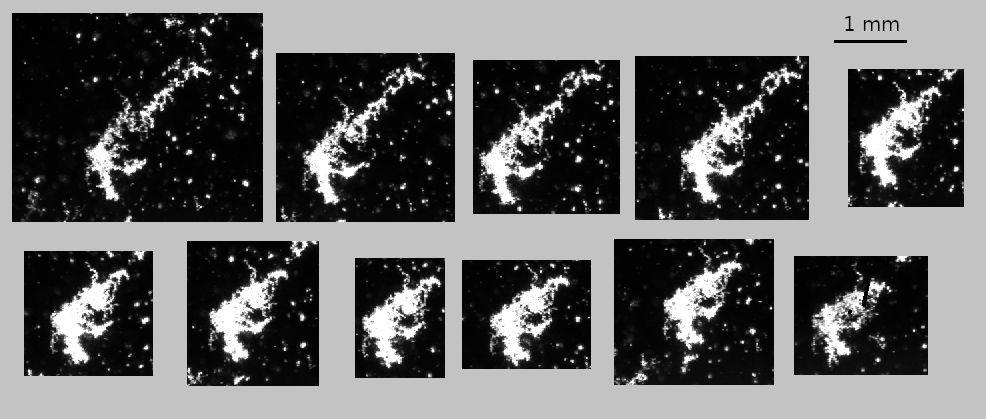
Rainer Schraepler and Juergen Blum

Dust particles in protoplanetary disks assemble into highly porous, fractal aggregates whose resistance to compression remains poorly quantified. We present the first direct laboratory measurements of gas–driven compaction in highly porous, fractal dust aggregates under microgravity conditions carried out with the ICAPS‐SRE payload aboard a sounding rocket. We quantify how highly porous, fractal dust aggregates compact under ultra‐low‐pressure gas flows and temperature gradients. Micrometer sized agglomerates first assembled into millimeter‐scale clusters with initial filling factors of order 10-4. Subjecting these aggregates to convergent thermophoretic force field whose constant part was counterbalanced by a gas stream, we tracked their evolving solid‐volume fraction and established a continuous pressure–compaction curve. Remarkably, this experimentally derived relation aligns closely with the analytical description of the numerical model of Tatsuuma et al. (2023), despite our tests probing filling‐factor is an order of magnitude below their simulations. We further demonstrate that once compaction occurs, the aggregates resist re‐expansion under divergent flows, a behavior we attribute to an increased coordination number that raises tensile strength and locks in the higher density. By leveraging the Tatsuuma et al. framework, our results can be extrapolated to different grain sizes and compositions, providing a unified description of low‐pressure densification. These data furnish the first direct, quantitative proof of gas–induced compaction in fractal dust agglomerates, offering crucial benchmarks for models of planetesimal growth (e.g., Okuzumi et al. 2012; Michoulier et al. 2024), and carrying implications for atmospheric aerosol dynamics (Bhandari et al. 2019) and industrial filtration of soot (Sipkens et al. 2024). 

Figure: Camera frames of a dust agglomerate undergoing compression over a 15 s sequence. The aggregate is driven by a converging thermophoretic gradient from the upper right toward the lower left, with the gradient’s steady component counterbalanced by a controlled gas flow.

This work was part of the ICAPS mission, which was supported by the Deutsches Zentrum
für Luft- und Raumfahrt (DLR Space Agency) under Contract nos. 50WM0336, 50WM0636,
50WM0936, 50WM1236, 50WM1536, 50WM1846, and 50WM2146. and the European
Space Agency (ESA) through their SciSpacE programme for this project and the TEXUS-56
Sounding Rocket flight. The Belgian Science Policy Office and the ESA PRODEX Programme
are kindly acknowledged for their support.

The authors used an AI-based language-editing tool to improve the English clarity and style of this manuscript.

Tatsuuma, M., Kataoka, A., Okuzumi, S., Tanaka, H.: Formulating Compressive
Strength of Dust Aggregates from Low to High Volume Filling Factors with Numer-
ical Simulations. ApJ 953(1), 6 (2023) https://doi.org/10.3847/1538-4357/acdf43
arXiv:2306.09259 [astro-ph.EP]

Okuzumi, S., Tanaka, H., Kobayashi, H., Wada, K.: Rapid Coagulation of Porous Dust
Aggregates outside the Snow Line: A Pathway to Successful Icy Planetesimal Formation.
ApJ 752, 106 (2012) https://doi.org/10.1088/0004-637X/752/2/106 arXiv:1204.5035
[astro-ph.EP]

Michoulier, S., Gonzalez, J.-F., Price, D.J.: Compaction during fragmentation and bounc-
ing produces realistic dust grain porosities in protoplanetary discs. A&A 688, 31 (2024)
https://doi.org/10.1051/0004-6361/202449719 arXiv:2406.15622 [astro-ph.EP]

Bhandari, J., China, S., Chandrakar, K.K., Kinney, G., Cantrell, W., Shaw, R.A., Maz-
zoleni, L.R., Girotto, G., Sharma, N., Gorkowski, K., Gilardoni, S., Decesari, S., Facchini,
M.C., Zanca, N., Pavese, G., Esposito, F., Dubey, M.K., Aiken, A.C., Chakrabarty, R.K.,
Moosmüller, H., Onasch, T.B., Zaveri, R.A., Scarnato, B.V., Fialho, P., Mazzoleni, C.:
Extensive soot compaction by cloud processing from laboratory and field observations.
Scientific Reports 9(1), 11824 (2019) https://doi.org/10.1038/s41598-019-48143-y

Sipkens, T.A., Corbin, J.C.: Effective density and packing of compacted soot aggregates.
Carbon 226, 119197 (2024) https://doi.org/10.1016/j.carbon.2024.119197

How to cite: Schraepler, R. and Blum, J.: A microgravity experiment quantifies the compaction of fractal dust agglomerates  by rarefied gas forces, Europlanet Science Congress 2026, The Hague, The Netherlands, 7–11 Sep 2026, EPSC2026-141, https://doi.org/10.5194/epsc2026-141, 2026.

08:57–09:09
|
EPSC2026-618
|
ECP
|
On-site presentation
Jonas Schwaak and Gerhard Wurm

The growth of dust aggregates in protoplanetary discs encounters the ‘bouncing barrier’ at millimetre-size, beyond which further growth is no longer possible due to  surface forces alone. To overcome this barrier, larger forces would be required, the origin of which may be electrostatic attraction. This results readily from triboelectric charging caused by collisions in protoplanetary discs. To quantify the adhesive forces between millimetre-sized particles charged by friction, we have developed an experiment in which an ultramicrobalance serves as a force sensor. To validate this method, we measured the forces between two spherical glass beads with a diameter of about 1 mm that were repeatedly brought into contact. The measured adhesive forces extended over a range of more than three orders of magnitude. The lowest values correspond to the typical adhesive forces observed for uncharged particles with typical surface energies. This substantiates the ability of the balance-based setup to measure even down to the expected minimum adhesive force.

A comparison with results from our earlier experiment, which measured the adhesive forces from particle clusters breaking apart due to rotation within an acoustic trap (Schwaak et al. 2024, A&A), shows that previously measured forces lie within the intermediate range of the present measurements.
We interpret these forces as electrostatic interactions between triboelectrically charged particles. Furthermore, the data reveal even stronger forces up to a distinct upper limit. This limit could provide insights into triboelectric charging in general.
Its magnitude is likely to depend on the particle composition, the ambient pressure, and the molecular species deposited on the surface.

The results proove that the presented setup is well suited for further investigations of adhesive forces, providing a wider measurement range as the acoustic trap based experiment and enabling measurements on a wide range of particles including porous aggregates instead of solid spheres.
Overall, the magnitudes of these forces in this simplified setup provide further evidence that triboelectric charging serves as the key to the formation of large particle clusters in protoplanetary discs.

How to cite: Schwaak, J. and Wurm, G.: Direct Measurements of Adhesive Forces between Millimetre-Sized Particles: Support of Tribocharging as a Key Mechanism for Overcoming the Bouncing Barrier, Europlanet Science Congress 2026, The Hague, The Netherlands, 7–11 Sep 2026, EPSC2026-618, https://doi.org/10.5194/epsc2026-618, 2026.

09:09–09:21
|
EPSC2026-148
|
On-site presentation
Christian J. Renggli, Angelina Abel, and Rody C. Erftemeijer

Enstatite (MgSiO₃) is a major phase in the condensation sequence of the solar nebula. Under equilibrium conditions enstatite forms via the reaction of previously condensed forsterite with a SiO-bearing vapor phase. However, in the case of kinetically limited condensation this reaction is inhibited and the disequilibrium assemblage of forsterite and quartz forms [1]. Groundbreaking observations with the James Webb Space Telescope (JWST) have allowed the direct detections of forsterite and enstatite together with a SiO gas in the protoplanetary disk around the young star HOPS-315 [2]. A quantitative understanding of the kinetics of these condensation reactions is therefore critical for both the formation of the first building blocks of the Solar System planets, and constraining observations of exoplanet formation around young stars. Previously, experiments have documented the incongruent nature of enstatite evaporation in vacuum [3]. Here, for the first time, we present in-situ measurements of enstatite evaporation in vacuum allowing the precise determination of the activation energy and the rate of evaporation, directly coupled with the observation of the evolved gas species.

In the ELMO (Experimental Laboratory Magma Ocean) laboratory we conduct experiments in a simultaneous thermal analyzer (NETZSCH STA 449 F3 Jupiter) under high vacuum conditions and temperatures of up to 2000 °C using a water-cooled graphite furnace. A quadrupole mass spectrometer is directly coupled and in the same vacuum as the sample, allowing in-situ measurement of the evolved gas species. Enstatite single crystals with masses of ~1 mg are heated at different rates from 1 °C/min to 10 °C/min up to 1900 °C. Temperature is monitored with a type W thermocouple providing accurate measurements of ±0.1 °C. Mass change during the evaporation is measured at a resolution of 0.1 µg even under vacuum and very high temperatures. This allows detailed controlled rate thermal analysis of the enstatite evaporation.

The evaporation of enstatite under vacuum conditions is known to be incongruent, producing a forsterite-enriched residue as enstatite preferentially loses SiO and oxygen to the gas phase. This incongruent behavior is of direct relevance to protoplanetary disk processes, as it implies that the reverse reaction – the condensation of enstatite from a forsterite-bearing assemblage and a SiO-rich vapor – is also kinetically controlled, with an activation energy that determines whether enstatite can form on timescales relevant to the cooling solar nebula. However, the precise activation energy of enstatite evaporation, as well as the identity and relative abundances of the evolved gas species under controlled conditions, remain poorly constrained. In particular, it is unclear whether SiO is the dominant gas species released during evaporation, or whether other Si- and O-bearing molecules contribute significantly to the evaporative flux under varying temperature and heating rate conditions.

The controlled-rate thermal analysis approach employed here allows the activation energy of enstatite evaporation to be extracted through kinetic analysis of the mass loss curves obtained at different heating rates, using established isoconversional methods. The simultaneous in-situ measurement of evolved gas species by the coupled quadrupole mass spectrometer directly constrains the gas-phase speciation during evaporation, allowing identification of the dominant vapor-phase carriers of silicon and oxygen. These data will provide the first self-consistent experimental dataset linking evaporation kinetics and gas-phase chemistry, directly applicable as input parameters to kinetic condensation models such as KineCond [1]. Ultimately, the results of this study on enstatite, as well as other oxides and sulfides [4,5] will allow quantitative assessment of whether condensation processes can keep pace with cooling in the solar nebula under realistic disk conditions, and will provide new observational benchmarks for interpreting JWST detections of silicate gas and dust in actively forming planetary systems.

[1] Charnoz, S., Aléon, J., Chaussidon, M., Sossi, P.A., Marrocchi, Y., Franco, P. (2026) Non-equilibrium condensation of the first Solar System solids. Nature, 652:925-930. https://doi.org/10.1038/s41586-026-10257-5.

[2] McClure, M.K., van’t Hoff, M., Francis, L., Bergin, E., Rocha, W.R.M., Sturm, J.A., Harsono, D., van Dishoeck, E.F., Black, J.H., Noble, J.A., Qasim, D., Dartois, E. (2025) Refractory solid condensation detected in an embedded protoplanetary disk. Nature, 643:649-653. https://doi.org/10.1038/s41586-025-09163-z.

[3] Tachibana, S., Tsuchiyama, A., Nagahar, H. (2002) Experimental study of incongruent evaporation kinetics of enstatite in vacuum and in hydrogen gas. Geochimica et Cosmochimica Acta, 66:713-728. https://doi.org/10.1016/S0016-7037(01)00797-9.

[4] Abel, A., Renggli, C.J. (2026) From Magma Oceans to Atmospheres: Copper Volatility as a Tracer of Magma Ocean Outgassing. Europlanet Science Congress 2026, The Hague, The Netherlands, 7–11 Sep 2026, EPSC2026-108. 

[5] Erftemeijer, R.C., Renggli, C.J. (2026) Experimental study on troilite evaporation to constrain condensation processes from the solar nebula. Europlanet Science Congress 2026, The Hague, The Netherlands, 7–11 Sep 2026, EPSC2026-239. 

How to cite: Renggli, C. J., Abel, A., and Erftemeijer, R. C.: Enstatite evaporation kinetics and gas-phase speciation: in-situ experiments constrain protoplanetary disk processes, Europlanet Science Congress 2026, The Hague, The Netherlands, 7–11 Sep 2026, EPSC2026-148, https://doi.org/10.5194/epsc2026-148, 2026.

09:21–09:33
|
EPSC2026-239
|
ECP
|
On-site presentation
Rody C. Erftemeijer and Christian J. Renggli

Chondritic meteorites are the most pristine materials in our Solar System, reflecting the earliest stages in the development of a protoplanetary disk. Their components are the results of condensation of nebular gases during the cooling phase of the solar nebula. Condensation models which consider equilibrium processes have been able to successfully predict the general mineralogy of chondrites, but struggled to reproduce the specific groups of chondrites – enstatite, ordinary, and carbonaceous chondrites. Recently, a condensation model which involves non-equilibrium processes predicted the formation of the individual chondrite groups [1]. However, quantitative data of the associated reactions, such as reaction rates and evaporation kinetics, is lacking. We aim to provide numerical constraints needed to further develop models to simulate the early stages of the Solar System.

New observations from the James Webb Space Telescope (JWST) show evidence of early condensation and associated gases in the nebula around the protostar HOPS-315 [2], representing similar processes as in the Solar System billions of years ago. Specifically, they observe forsterite, enstatite, and gaseous SiO, suggesting ongoing condensation at high temperatures. The temperature at which forsterite and enstatite, as well as Fe-Ni metal, condense (~1300-1400 K) is considered as the boundary between refractory and moderately volatile elements [3]. At lower temperatures, condensation of troilite (FeS) at ~670 K defines the boundary between moderately volatile and highly volatile elements [3]. Troilite is also the phase in which sulfur first condenses after reacting with Fe metal [4]. Sulfur plays an important role in cosmochemistry, since it is the second most abundant volatile in chondrites and the tenth most abundant element in the universe. Hence, constraining the properties of troilite condensation will improve current models describing the development of the Solar System. Because evaporation and condensation are reverse processes, evaporation kinetics can be used to infer condensation kinetics [5]. This approach can also be used to derive the activation energy of the reaction, which provides insights regarding the timescales involved in the cooling of the solar nebula.

In the ELMO (Experimental Laboratory Magma Ocean) group, we conduct evaporation experiments on silicates and sulfides using a NETZSCH Simultaneous Thermal Analyzer (STA) 449 F3 Jupiter [6,7]. The graphite furnace allows temperatures of up to 2000 °C in a high-vacuum environment. The sample carrier, which holds the graphite crucible containing the sample and measures the temperature via a type W thermocouple, is connected to a microbalance to track changes in the sample mass during heating. The sample chamber is also directly coupled to a quadrupole mass spectrometer (QMS) which is capable of measuring volatile species in the mass range of 1-512 amu. Hence, we are able to detect all potentially released gas species, such as S2, CS2, Fe, and FeS. Using this setup, we obtain in situ measurements to constrain evaporation kinetics and activation energies of the associated chemical reactions for the first time, as well as characterize the volatile species released during heating. Here, we present the results of the troilite evaporation experiments and its implications for the low-temperature stage of the cooling of the solar nebula.

[1] Charnoz et al. (2026). Nature, 652(8111), 925-930. [2] McClure et al. (2025). Nature, 643(8072), 649-653. [3] Larimer (1988). In: Meteorites and the Early Solar System, 375-389. [4] Larimer (1967). Geochimica et Cosmochimica Acta, 31(8), 1215-1238. [5] Hashimoto (1990). Nature, 347(6288), 53-55. [6] Renggli et al. (2026). Europlanet Science Congress 2026, EPSC2026-148. [7] Abel & Renggli (2026). Europlanet Science Congress 2026, EPSC2026-108.

How to cite: Erftemeijer, R. C. and Renggli, C. J.: Experimental study on troilite evaporation to constrain condensation processes from the solar nebula, Europlanet Science Congress 2026, The Hague, The Netherlands, 7–11 Sep 2026, EPSC2026-239, https://doi.org/10.5194/epsc2026-239, 2026.

09:33–09:45
|
EPSC2026-943
|
ECP
|
On-site presentation
Nerea Gurrutxaga, Joanna Drazkowska, and Thorsten Kleine

The water snowline is thought to play a key role in the formation of the first planetesimals. Planetesimal formation requires efficient local concentration of large pebbles, a condition that is difficult to achieve throughout protoplanetary disks. Near the snowline, icy grains are expected to stick more efficiently than silicate grains as they approach their sublimation temperature. In addition, water vapor from the hotter inner disk can diffuse outward, recondense onto solids in colder regions, and thereby enhance the local solid-to-gas ratio. Together, these processes make the snowline a particularly favorable site for planetesimal formation. Whether iron meteorites, which likely formed within the first Myr of the solar system formation, originated near the snowline remains an open question [1-3].

While planetesimal formation at the water snowline has been extensively studied, most previous models assume a single dust size and composition at each radial location and neglect the vertical structure of the disk. In reality, dust particles grow and fragment into a distribution of sizes that evolve differently in both the radial and vertical directions, an aspect that has been shown to impact late-stage planetesimal formation beyond the water snowline, in regions linked to the formation of chondritic meteorites [4]. Small grains are also known to acquire proportionally more water ice than larger grains, potentially affecting the water enrichment near the snowline [5].

In this talk, we present a new Monte Carlo model to investigate the coupled evolution of dust composed of ice and silicate in young two-dimensional disks [6]. Our model includes dust coagulation and fragmentation, ice evaporation and condensation on grains of different sizes, and the radial and vertical transport of both solids and water vapor. This approach enables us to constrain the ice-to-rock ratios of planetesimals forming at the water snowline and to trace the evolutionary history of water ice before its incorporation into planetesimals. The predicted composition and formation timescales of these planetesimals will be compared to those observed among meteorites, and thus could eventually constrain whether some iron meteorite parent bodies formed near the water snowline.


References:

[1] J. Drazkowska and Y. Alibert, 2017, Astronomy & Astrophysics, 608, A92
[2] T. Lichtenberg, J. Drazkowska, M. Schönbächler, et al., 2021, Science, 371, 6527
[3] A. Morbidelli, K. Baillié, K. Batygin, et al., 2022, Nature Astronomy, 6, pages 72–79
[4] N. Gurrutxaga, J. Drazkowska, V. Vaikundaraman, T. Kleine, 2026, The Astrophysical Journal, in press
[5] S. Krijt, F. Ciesla, A. Bergin, 2016, The Astrophysical Journal, 833, 2
[6] N. Gurrutxaga, V. Vaikundaraman, J. Drazkowska, 2026, Astronomy & Astrophysics, 709, A164


How to cite: Gurrutxaga, N., Drazkowska, J., and Kleine, T.: Tracking water ice from small dust to the first planetesimals, Europlanet Science Congress 2026, The Hague, The Netherlands, 7–11 Sep 2026, EPSC2026-943, https://doi.org/10.5194/epsc2026-943, 2026.

09:45–09:57
|
EPSC2026-1026
|
ECP
|
On-site presentation
Models of dust evolution in the disk-building stage
(withdrawn)
Maxime Lombart, Ugo Lebreuilly, and Anaëlle Maury

Orals TUE2: Tue, 8 Sep, 11:00–12:30 | Room Saturn (Jazz 3)

Chairperson: Joanna Drazkowska
11:00–11:15
|
EPSC2026-838
|
solicited
|
On-site presentation
Sijme-Jan Paardekooper

In planet formation, growing from cm size to km size is traditionally one of the most difficult hurdles to overcome. Radial drift of dust particles is extremely efficient, threatening to throw all building blocks into the central star, while collisions between particles tend to be too violent to allow for fast growth beyond cm size. Resonant drag instabilities such as the streaming instability provide an elegant way out: they use the free energy associated with the problem (dust drift) to very quickly grow dust overdensities that can collapse gravitationally. This way, km-sized planetesimals can be formed in a very efficient way. However, most models assume a monodisperse size distribution: all dust particles have the same size. I will discuss how having a size distribution makes planetesimal formation through the streaming instability more difficult.   

How to cite: Paardekooper, S.-J.: How to build planetesimals from a size distribution of particles, Europlanet Science Congress 2026, The Hague, The Netherlands, 7–11 Sep 2026, EPSC2026-838, https://doi.org/10.5194/epsc2026-838, 2026.

11:15–11:30
|
EPSC2026-1129
|
ECP
|
On-site presentation
Marie-Anne Carpine, Anaëlle Maury, and Nathalie Ysard

The characterisation of cosmic dust properties is key for understanding, among other things, planet formation processes. Astronomical observations provide us information from which it is possible, but not trivial, to deduce physical properties of cosmic dust. For instance, recent observations of 12 young protostars found dust emissivity indices with values β < 1 [Maury et al. 2019, Galametz et al. 2019, Cacciapuoti et al. 2025], which would imply that dust coagulated into grains over 100µm in size [Ysard et al. 2019], much larger than what predicts actual paradigms of planet formation at this stage of stellar evolution. However, relating the grain sizes to their opacity measured in the millimetre bands is not straightforward and rely heavily on the validity of current dust models used as astrophysical analogues in the community. For example, the optical properties of large dust aggregates in cold environments, as observed in millimetre wavelengths were not explored in a systematic way, limiting the astrophysical interpretation that can be done from the measurements, especially for the dense ISM. Our work addresses this blind spot, building new physically-motivated dust models to interpret the dust signatures in protostellar environments.

Our study concentrates on building realistic dust models of evolved, structurally detailed aggregate dust grains. We use the Discrete Dipole approximation (DDA) code ADDA [Yurkin et al. 2011] to compute the optical properties in extinction, absorption and scattering of our grains, based on laboratory-measured material properties from the THEMIS 2 dust model [Ysard et al. 2024]. Our first study [Carpine et al. 2025] highlighted the heavy dependence of dust optical properties on the shape, but also on the composition of dust grains. We stress here the importance of correct representation of potentially large fluffy aggregates in protostars, when current models in the literature include mostly small compact grains, fitted for the diffuse ISM. Radiative transfer simulations we conducted [Carpine et al. 2026, subm.] showed that none of the various existing ISM dust models are able to reproduce the low emissivity indices values observed in some protostars. Using discrete dipole approximation, along with a novel method we developed to speed up drastically the computation of aggregates optical properties [Carpine et al. 2026b, subm.], we are creating the first dense medium dust database of complex aggregates, based on laboratory-measured material properties THEMIS 2 [Ysard et al. 2024], to provide a physically motivated model to precisely interpret protostellar observations.

Building reliable dust models is decisive in the interpretation of observations of the dense ISM, in our understanding of dust evolution towards planet formation. With our models for aggregate dust grain, different optical properties are inferred, challenging fiducial interpretation and opening the path to robust interpretation of the dust properties during the disk formation stage

How to cite: Carpine, M.-A., Maury, A., and Ysard, N.: From cosmic dust to planet formation : Building new dust models., Europlanet Science Congress 2026, The Hague, The Netherlands, 7–11 Sep 2026, EPSC2026-1129, https://doi.org/10.5194/epsc2026-1129, 2026.

11:30–11:42
|
EPSC2026-812
|
On-site presentation
Hossam Aly

Warps are responsible for various global disc phenomena and observational signatures and have mostly been studied using global hydrodynamical simulations. However, their role in planet formation and affecting dust instabilities is best studied in a local frame. I will present our recent efforts in modelling dusty warps in a local shearing box and show that warps can cause dust instabilities that lead to fast dust concentrations, much faster than the streaming instability. 

How to cite: Aly, H.: Dusty warps in the local frame: instability and fast clumping, Europlanet Science Congress 2026, The Hague, The Netherlands, 7–11 Sep 2026, EPSC2026-812, https://doi.org/10.5194/epsc2026-812, 2026.

11:42–11:54
|
EPSC2026-668
|
On-site presentation
Aurélien Crida

We report the finding of a linear, non-axisymmetric, global instability in gas discs around stars (and which may be relevant to other astrophysical discs). It takes the form of an m=1 mode that grows in the disc density distribution while the star-barycentre distance rises exponentially with a characteristic timescale that is orders of magnitude longer than the orbital period, but potentially shorter than a protoplanetary disc lifetime. Hydrodynamical simulations with various codes and numerical methods all consistently show an unstable mode growing exponentially. A feedback loop is identified as a possible origin, whereby the acceleration of the star excites the eccentricity of the disc, yielding an m=1 mode in the density distribution which, in turn, pulls the star. The instability disappears if, and only if, the reflex motion of the star due to the disc's asymmetry is not taken into account in the simulations. For this reason we refer to this instability as the reflex instability. After a short presentation of the physics at play and the various indirect terms that can be implemented to model the stellar acceleration in a stello-centric frame, a study of the growth timescale as a function of the various parameters at play will be presented, and the potential consequences on planet formation will be discussed.

How to cite: Crida, A.: The reflex instability: exponential growth of a large-scale m = 1 mode in astrophysical discs, Europlanet Science Congress 2026, The Hague, The Netherlands, 7–11 Sep 2026, EPSC2026-668, https://doi.org/10.5194/epsc2026-668, 2026.

11:54–12:06
|
EPSC2026-98
|
On-site presentation
Li Zeng

More than one hundred years ago, physics has been revolutionized when people realized that electronic orbitals, or electromagnetic interactions in general, are quantized. Now, in this study, we are presenting evidence of quantization of planet orbits around stars. Confining a wave in spatial dimensions "quantizes" its wave number. Therefore, this study points to the evidence of the existence of long-range standing waves in the proto-planetary disks. Such waves, although being on a much larger scale of few tens of AU, have already been found by ALMA observation—so called ring-like structure. Now we see that it may exist within 1 AU, and may exert its effect on the existence and distribution of planets within this distance range to the host star. Careful analysis has been carried out to compare the results of different surveys. This could also be caused by multiple condensation fronts of water and other cosmic ices in the proto-planetary disk.

How to cite: Zeng, L.: Orbital semi-major axis distribution of sub-Neptunes, Europlanet Science Congress 2026, The Hague, The Netherlands, 7–11 Sep 2026, EPSC2026-98, https://doi.org/10.5194/epsc2026-98, 2026.

12:06–12:18
|
EPSC2026-37
|
On-site presentation
Susanne Pfalzner
The discoveries of 1I/ʻOumuamua, 2I/Borisov, and 3I/Atlas have provided strong evidence that interstellar objects (ISOs) are widespread throughout our galaxy. Their prevalence suggests that these objects are not only passively drifting through space but may also play an active role in important astrophysical processes. In particular, ISOs are likely to be drawn into collapsing molecular clouds, where they can become incorporated into the material that forms protoplanetary disks around young stars. Within these disks, ISOs may serve as large initial building blocks, overcoming the significant obstacle known as the "1-meter barrier"—a stage in the standard accretion model where growth by sticking becomes inefficient.
 
Based on this, we propose that two different modes of planet formation—traditional core accretion and ISO-seeded formation—can operate side by side. Our analysis indicates that during the collapse of molecular clouds, ISOs are preferentially captured by regions forming higher-mass stars. This makes the ISO-seeded mode of planet formation particularly likely to occur around stars with masses greater than 1 Msun. Planets around such stars would form more rapidly and efficiently because the presence of ISOs provides a head start to the accretion process.
 
Observational evidence supports these ideas: higher-mass stars are found to have much shorter-lived protoplanetary disks, yet they host giant planets more frequently and at larger masses compared to lower-mass stars. The tendency for ISO-seeded planet formation to be favoured around higher-mass stars could therefore offer a natural explanation for why massive stars can form large planets within the brief lifespans of their disks, addressing a key challenge in our understanding of planetary system formation.

How to cite: Pfalzner, S.: Interstellar Objects as Catalysts for Rapid Planet Formation Around Massive Stars, Europlanet Science Congress 2026, The Hague, The Netherlands, 7–11 Sep 2026, EPSC2026-37, https://doi.org/10.5194/epsc2026-37, 2026.

12:18–12:30

Posters: Mon, 7 Sep, 18:00–19:30 | Foyer 3

Display time: Mon, 7 Sep, 08:30–19:30
F3.64
|
EPSC2026-1020
|
ECP
|
On-site presentation
Lukasz Tychoniec

Protostellar outflows and jets are one of the first signposts of new stars being born. I will discuss the revolution brought about by the James Webb Space Telescope (JWST) to the study of these phenomena. I will present the results of the JWST Observations of Young protoStars (JOYS) collaboration, which explores more than 20 protostars in nearby star-forming regions using MIRI-MRS and NIRSpec. Observations of BHR71-IRS1 have revealed a particularly stunning example. The jet shows strong emission lines of refractory species like iron, nickel, and cobalt. At the same time, we detected dust thermal emission, indicating that young jets are dusty and carry away ingredients for planet formation from the inner disk. I will show how jets can be used to understand the composition of those building blocks, especially in the earliest stages of planet formation, when the direct observations of the inner disk are challenging.

How to cite: Tychoniec, L.: Dust launching and destruction in a protostellar jet: pathway to revealing inner disk refractory budget?, Europlanet Science Congress 2026, The Hague, The Netherlands, 7–11 Sep 2026, EPSC2026-1020, https://doi.org/10.5194/epsc2026-1020, 2026.

F3.65
|
EPSC2026-139
|
ECP
|
On-site presentation
Jip Matthijsse, Aly Hossam, and Sijme-Jan Paardekooper

We investigate a dust-driven vertical shear instability (DVSI) in a radially local, vertically stratified isothermal shearing box. Unlike the classical vertical shear instability, which relies on baroclinicity from global thermodynamic gradients (radial temperature gradients with finite cooling), DVSI is triggered by dust backreaction that generates axisymmetric vertical shear in an otherwise barotropic setup. We construct vertically stratified two-fluid equilibria including dust diffusion and use these profiles to initialise 2D hydrodynamical simulations with FARGO3D. To cleanly separate DVSI from drag-driven instabilities, we primarily adopt a “dust-analogue” approach in which dust backreaction is imposed as a prescribed height-dependent acceleration on the gas, with no dynamical dust feedback. DVSI grows fastest in off-midplane layers where the vertical shear is strongest, exciting predominantly radially short, vertically extended modes (large kx/kz). During the linear phase, the instability produces characteristic banded perturbations in the azimuthal and vertical velocities. In the non-linear regime, DVSI saturates via a Kelvin–Helmholtz-like parasitic instability that disrupts coherent vertical-shear modes into smaller-scale eddies. The resulting balance between mode growth and parasitic breakup sustains anisotropic turbulence and persistent vertical stirring. Our results demonstrate that dust-induced vertical shear alone can drive vertical mixing in an isothermal local model, without invoking global thermal gradients.

How to cite: Matthijsse, J., Hossam, A., and Paardekooper, S.-J.: Dust-driven vertical shear instability in a local and isothermal shearing box, Europlanet Science Congress 2026, The Hague, The Netherlands, 7–11 Sep 2026, EPSC2026-139, https://doi.org/10.5194/epsc2026-139, 2026.

F3.66
|
EPSC2026-794
|
ECP
|
On-site presentation
Benjamin Silk and Sijme-Jan Paardekooper

The state of the art in coupling dust coagulation to hydrodynamical simulations of protoplanetary disks are 2D simulations with ∼100 particle size bins. Many problems in planet formation, such as the streaming instability, are 3D in nature and require extremely high resolution in size space. Coupling 3D hydrodynamics with coagulation requires going beyond the current state of the art, by harnessing the power of machine learning (specifically neural differential equations) to obtain an efficient and accurate subgrid model for dust collisions. This will for the first time allow for a full treatment of the dust component, including coagulation, in simulations of the polydisperse streaming instability and pebble accretion.

How to cite: Silk, B. and Paardekooper, S.-J.: Coupling Coagulation to Hydrodynamics with Machine Learning Model Surrogates, Europlanet Science Congress 2026, The Hague, The Netherlands, 7–11 Sep 2026, EPSC2026-794, https://doi.org/10.5194/epsc2026-794, 2026.

F3.67
|
EPSC2026-157
|
ECP
|
On-site presentation
Calvin Knoop, Christopher Kreuzig, Maximilian Timpe, Jürgen Blum, and Carsten Dominik

1 Introduction
Modern planet formation models rely on the efficient conversion of micrometer-
sized dust grains into porous and eventually compacted pebble-like aggregates.
These pebbles are essential for processes such as streaming instability and pebble
accretion, but their formation pathways, physical properties and abundance
remain poorly constrained by observations and existing laboratory experiments.
Within the ERC Advanced Grant project Ground Truth for Pebbles in Planet
Formation (GT4Pebbles), a new experimental and numerical framework is being
developed to investigate this early stage of planet formation. The central goal is
to provide experimental ground truth for the growth, restructuring and physical
characterization of macroscopic dust aggregates under controlled laboratory conditions.


2 The Braunschweig Levitation Chamber
At TU Braunschweig, a new large-scale levitation chamber experiment is being
built to study the collisional growth of protoplanetary dust analogues. The
setup consists of a gas-filled rotating vacuum chamber with an inner diameter of 2 m [see Figure 1].
Dust particles are injected into a rarefied gas atmosphere of about 100 Pa pressure and
follow circular trajectories determined by their gas-coupling or stopping times.
Particles with different stopping times occupy slightly shifted trajectories,
which leads to controlled low-velocity collisions under conditions ((flow regime, velocity-size relation) equivalent to those in protoplanetary disks .
In this way, the experiment is designed to follow the evolution from initially
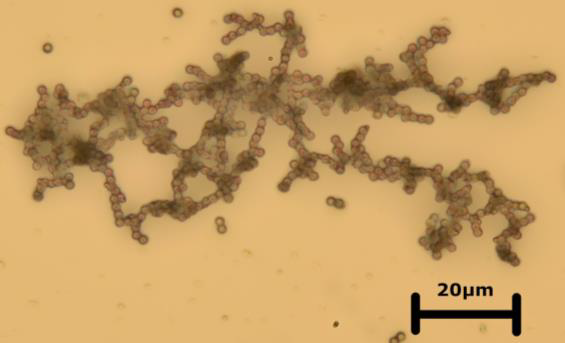
micrometer-sized dust grains to larger, highly porous fractal aggregates (see Figure 2) and
eventually into the restructuring regime. The large scale of the experiment
increases the stability time of the dust against centrifugal drift cloud and allows aggregate growth to be
observed over extended timescales.

Figure 1: CAD drawing of the large-scale levitation chamber experiment at TU Braunschweig. The 2 m wide and 0,22 m thick rotating vacuum chamber will enable controlled low-velocity dust-aggregate collisions in a rarefied gas environment.


Figure 2: Optical image of a dust aggregate grown in a small scale (0.5 m diameter) levitation-chamber ex-
periment. Such aggregates illustrate the highly porous and irregular structures
that are expected during the early stages of dust growth.


3 Diagnostic Units and Measurement Concept
The levitation chamber provides a controlled environment for observing a stable
and growing dust cloud. A suite of diagnostic units will be used to characterize
the temporal evolution of the cloud and the physical properties of the forming
aggregates. The Overview Observation System will provide wide- and narrow-angle
imaging of the dust cloud. It will be used for particle tracking and mor-
phological studies of individual dust aggregates.The Light Scattering Unit will measure the angular scattering behaviour
of the evolving aggregate population at selected wavelengths. These mea-
surements will help to determine whether and how the optical properties
of the dust cloud change during growth. The Infrared Spectro-Photometer  will monitor characteristic dust fea-
tures, in particular the silicate band around 10 µm wavelength. Changes in these spectral features
can provide information about the structural and optical evolution of the
growing aggregates. The Dust Sampling Unit will collect grown dust aggregates after an exper-
imental run. The collected samples can then be analysed using microscopy
and further laboratory methods to determine their morphology, structure
and mechanical properties.
Together, these instruments will provide access to cloud morphology, ag-
gregate trajectories, growth behavior, optical properties and post experiment
structural information. The experiment will therefore form an experimental ba-
sis for validating dust-growth and compaction models and for constraining the
properties of pebble-like aggregates in planet-forming disks.
4 Outlook
This contribution presents the current status of the experimental setup, its diag-
nostic concept and its role within the GT4Pebbles framework. Once operational (expected by end of 2026),
the GT4Pebbles experiment will allow the systematic investigation of dust growth
from micrometer-sized monomers to larger fractal aggregates under controlled
collision and realistic conditions. The resulting measurements will provide key input for nu-
merical dust growth models and for the interpretation of pebble-like aggregates
in planet forming disks.

How to cite: Knoop, C., Kreuzig, C., Timpe, M., Blum, J., and Dominik, C.: Ground Truth for Pebbles in Planet Formation:A Large-Scale Levitation-Chamber Experimentfor Dust Aggregate Growth, Europlanet Science Congress 2026, The Hague, The Netherlands, 7–11 Sep 2026, EPSC2026-157, https://doi.org/10.5194/epsc2026-157, 2026.

F3.68
|
EPSC2026-688
|
ECP
|
On-site presentation
Mulan Madden

Planetesimal formation occurs in the optically thick mid-plane of protoplanetary disks. If planetesimals sequester material that is rich in volatile (C, O, S, N) and refractory (e.g., Fe, Si, Al) elements, then these abundances originating from the innermost disk regions (Rdisk ≤ 0.2 AU) are expected to be significantly depleted. Additionally, dust traps can further deplete these elements. We present a physical-chemical model that predicts atomic emission line ratios, given a range of depletion factors and mid-plane densities (15.75 ≤ log(nH [cm-3]) ≤ 16.25). We use the photoionization and chemistry code Cloudy (v25.00) to create a 1D radial slab model of the innermost disk within the dust sublimation rim of a classical T Tauri system. Our model can be applied to observed line ratios in disks in order to determine if rocky planet formation has begun. 

How to cite: Madden, M.: Chemical Modeling of the Innermost Regions of Protoplanetary Disks, Europlanet Science Congress 2026, The Hague, The Netherlands, 7–11 Sep 2026, EPSC2026-688, https://doi.org/10.5194/epsc2026-688, 2026.

F3.69
|
EPSC2026-987
|
ECP
|
On-site presentation
Tom Konijn

Pebble accretion is widely considered a key, and probably necessary, ingredient for rapid planet formation. However, most studies still rely on simplified gas prescriptions or assume a single particle size (monodisperse). For this work, we revisit pebble accretion using a multi-fluid hydrodynamical model that evolves the gas and multiple pebble species (polydisperse) self-consistently. This allows us to move beyond static background discs and directly study how the planet’s perturbation of the gas affects the accretion of solids. We find that perturbing the disc modifies the accretion efficiency systematically with Stokes number. We find lower total accretion because of this perturbation of the gas. Interestingly, we see the ratio between poly-, and monodisperse accretion to be significantly higher than previous estimations. These results demonstrate the importance of self-consistent gas evolution, not only for polydisperse pebble accretion, but also for understanding the transition from pebble accretion to isolation and gap opening.

How to cite: Konijn, T.: A multi-fluid approach for pebble accretion, Europlanet Science Congress 2026, The Hague, The Netherlands, 7–11 Sep 2026, EPSC2026-987, https://doi.org/10.5194/epsc2026-987, 2026.