ODAC3
Communicating Planetary Science in the 21st century: innovative tools and approaches
Conveners:
Petr Broz,
Livia Giacomini
|
Co-conveners:
Julie Nováková,
Zdenek Urban,
Rosanna del Gaudio
Orals THU2
|
Thu, 10 Sep, 11:00–12:30 (CEST) Room Earth (Tango 1)
Orals THU3
|
Thu, 10 Sep, 14:00–15:30 (CEST) Room Earth (Tango 1)

Although these issues may appear less immediate within planetary science, they remain highly relevant. Research in planetary exploration, astrobiology, exoplanets, and Earth’s climate history often captures broad public attention, yet scientific findings can be easily misinterpreted or distorted within the modern information ecosystem. Strengthening engagement with planetary science is therefore vital — not only to share the sense of curiosity and wonder that motivates scientific discovery, but also to support science literacy, critical thinking, and a broader understanding of the scientific method.
This perspective is particularly fitting as we mark the 30th anniversary of Carl Sagan’s passing. Sagan’s legacy reminds us that effective science communication is not merely about transmitting facts, but about cultivating curiosity, skepticism, and a deeper appreciation of our place in the universe. Inspired by this tradition, we invite contributions that reflect on contemporary challenges and opportunities in science communication.
Rather than separating discussions into isolated themes — such as communication on social media, the role of long-form media, the use of AI tools, citizen science, or strategies for countering misinformation — this session encourages a broader exchange of ideas. We welcome participants to share activities, insights, and experiences addressing the central question of how diverse communication approaches can work in synergy to effectively convey scientific knowledge, inspire public interest, and strengthen meaningful engagement with science in the years ahead.
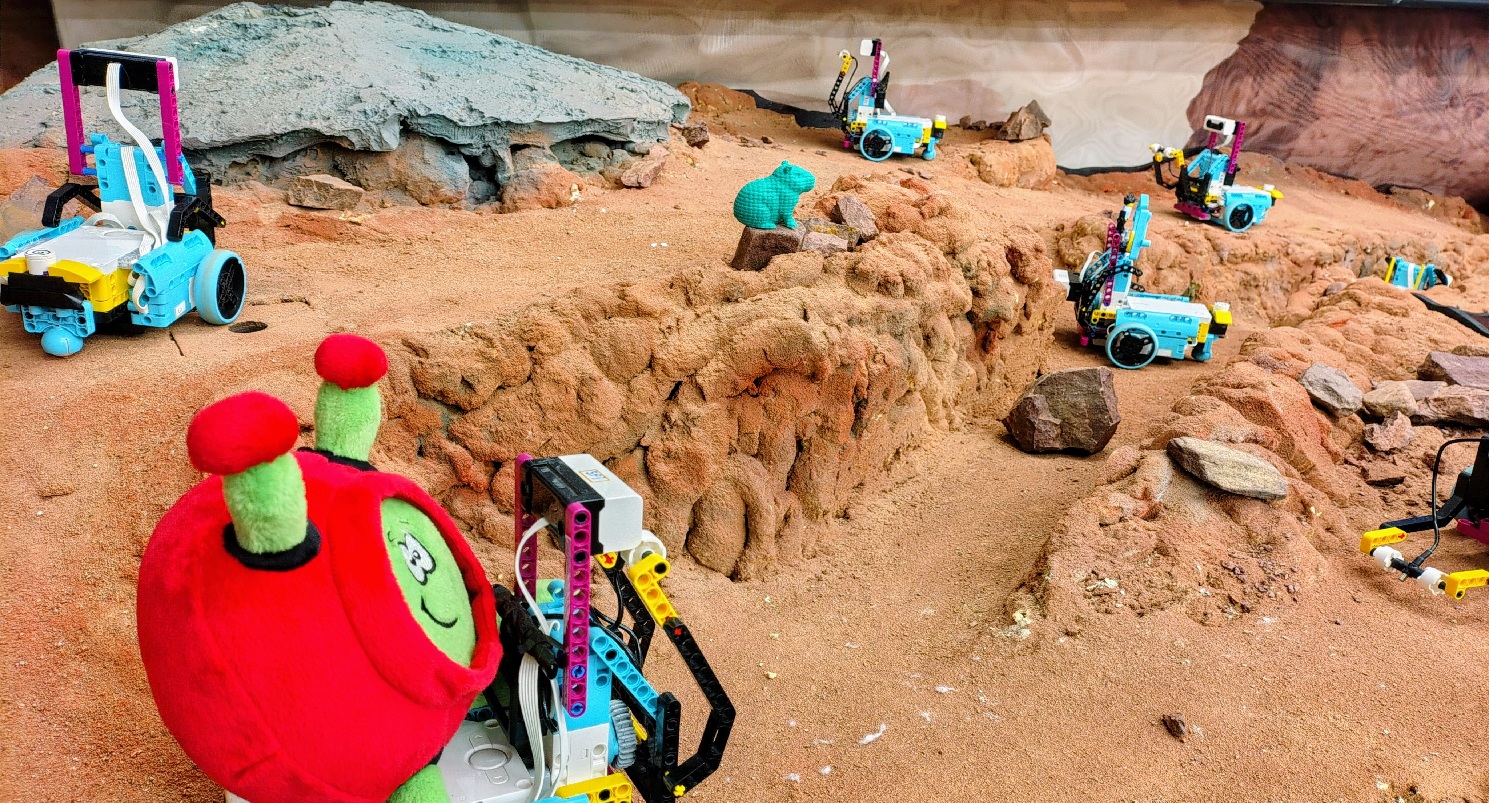
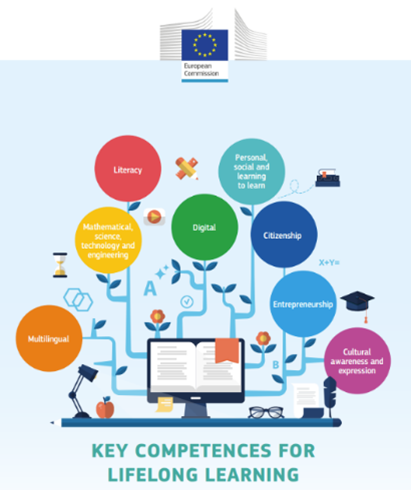
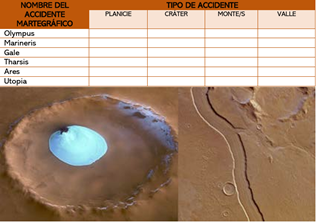
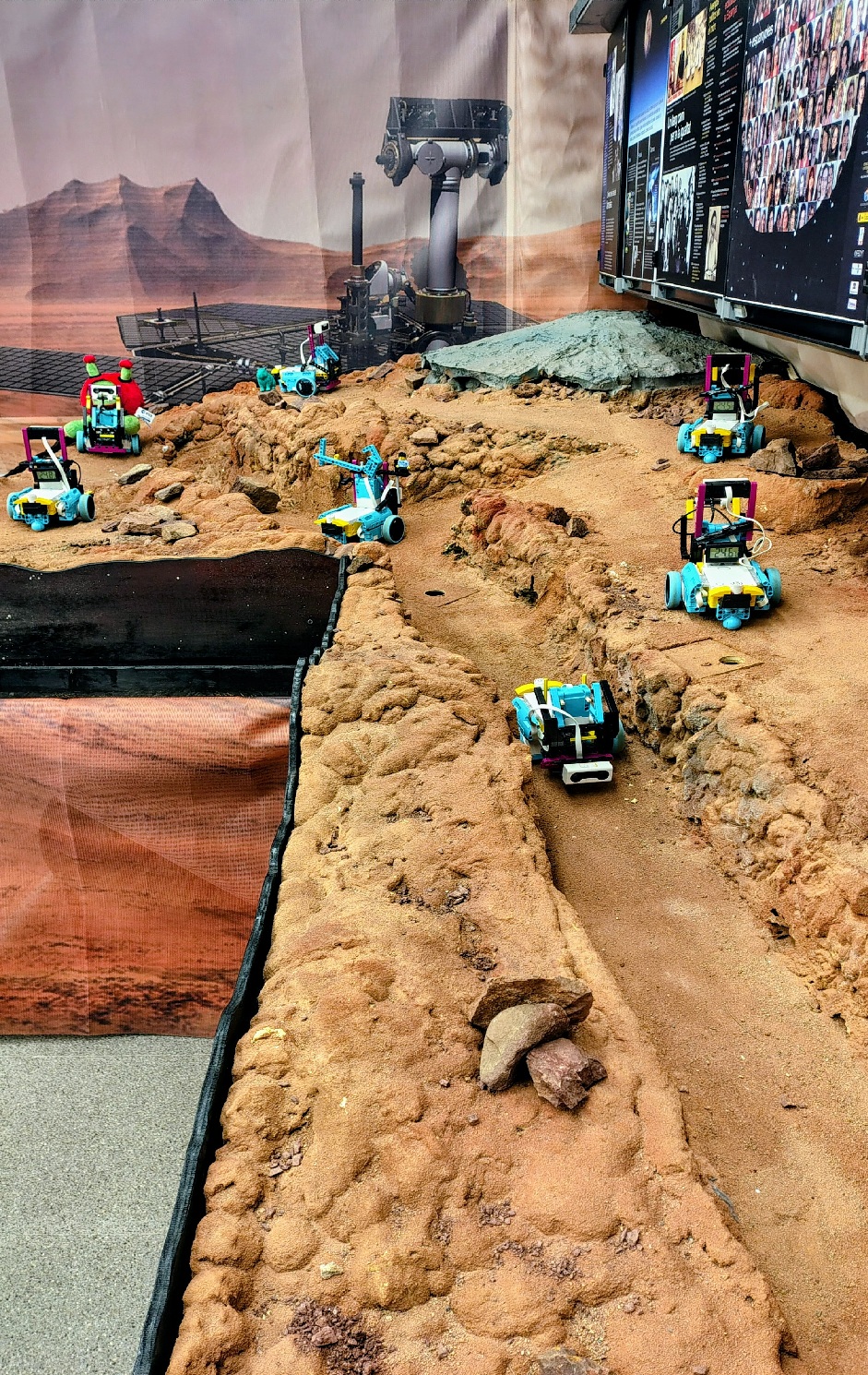
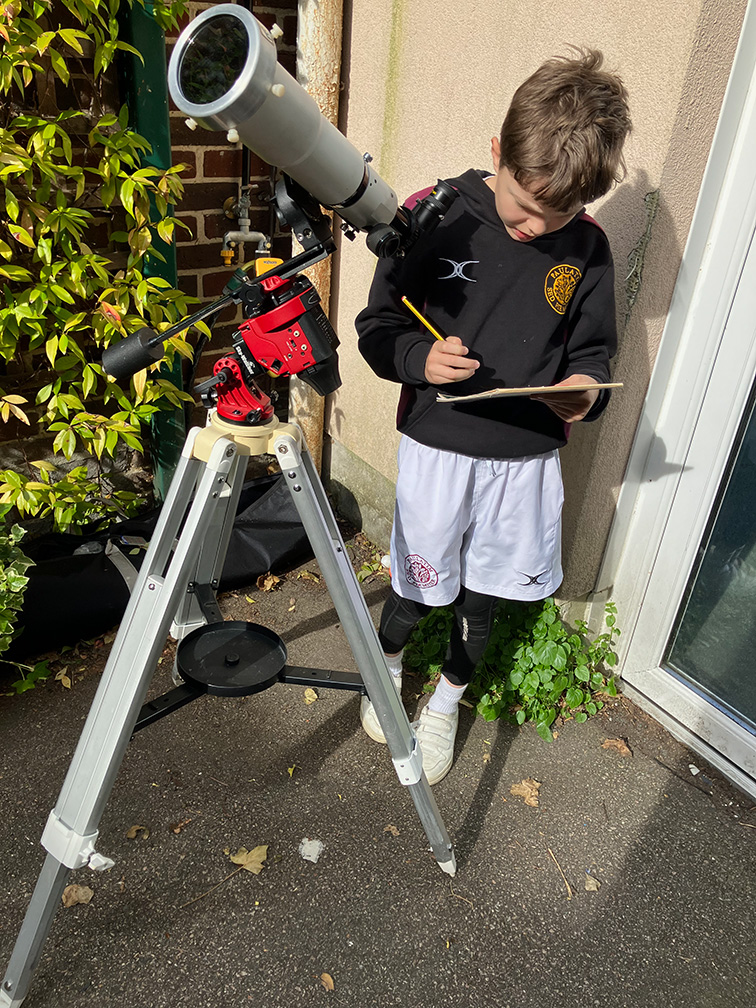
Planetary science is also a powerful tool for science education and for STEAM more broadly. Its multidisciplinary nature, combined with the fascination of exploring other worlds, makes it an exceptional framework for teaching a wide range of scientific and non-scientific concepts, as well as transferable skills.This session also focuses on emerging approaches in STEAM education that use planetary science as a framework.
Session assets
11:00–11:15
|
EPSC2026-962
|
ECP
|
solicited
|
On-site presentation
11:15–11:27
|
EPSC2026-874
|
On-site presentation


11:39–11:51
|
EPSC2026-681
|
Virtual presentation
11:51–12:03
|
EPSC2026-685
|
On-site presentation
12:03–12:15
|
EPSC2026-531
|
ECP
|
On-site presentation
12:15–12:27
|
EPSC2026-62
|
On-site presentation

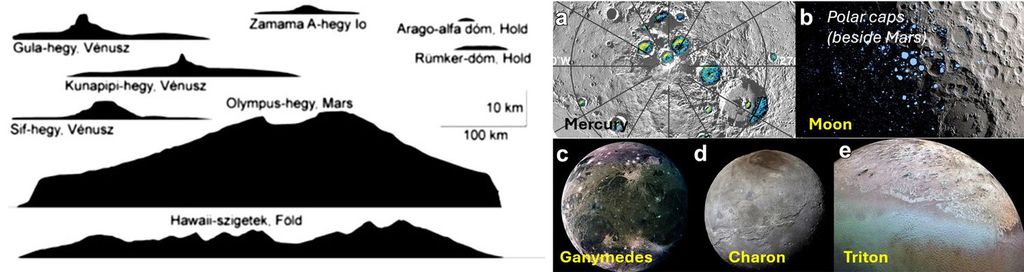
12:27–12:30
Discussion


14:00–14:12
|
EPSC2026-414
|
On-site presentation
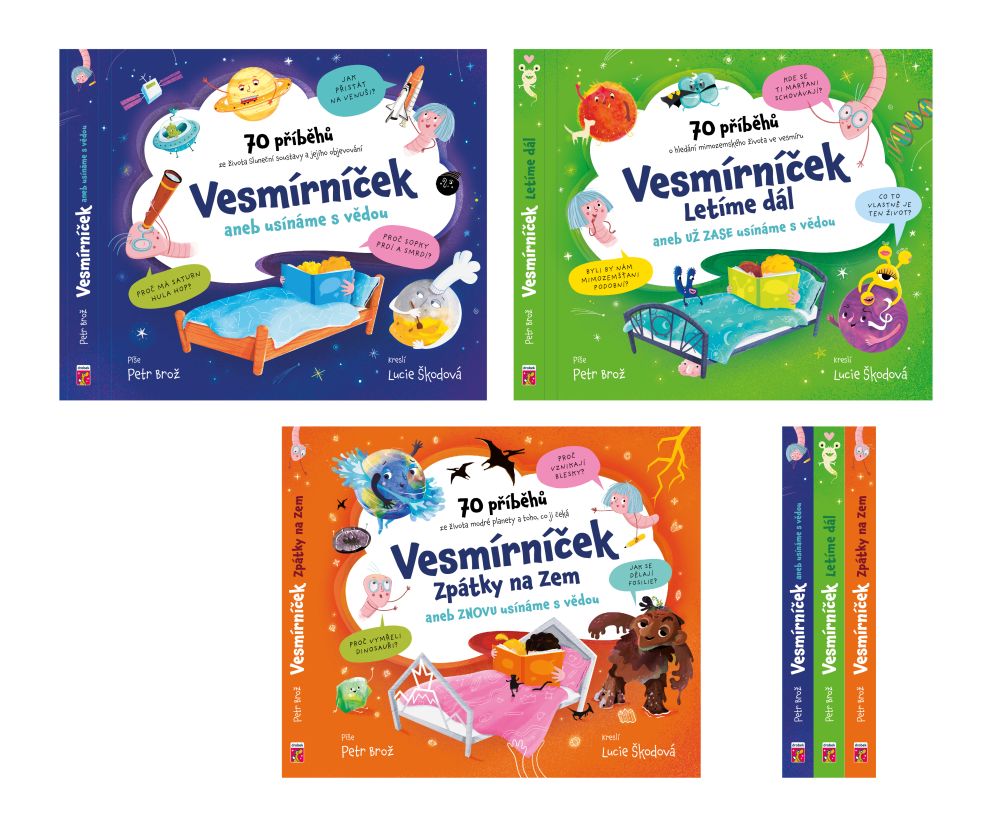
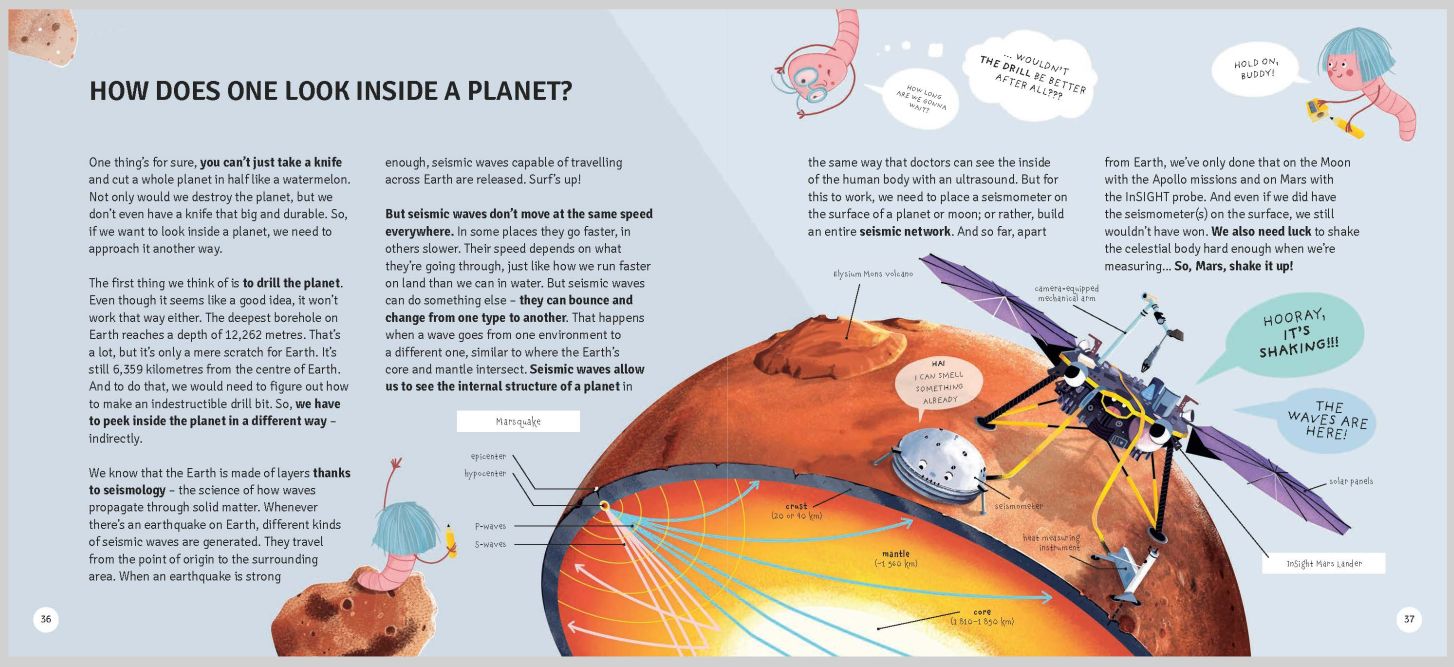
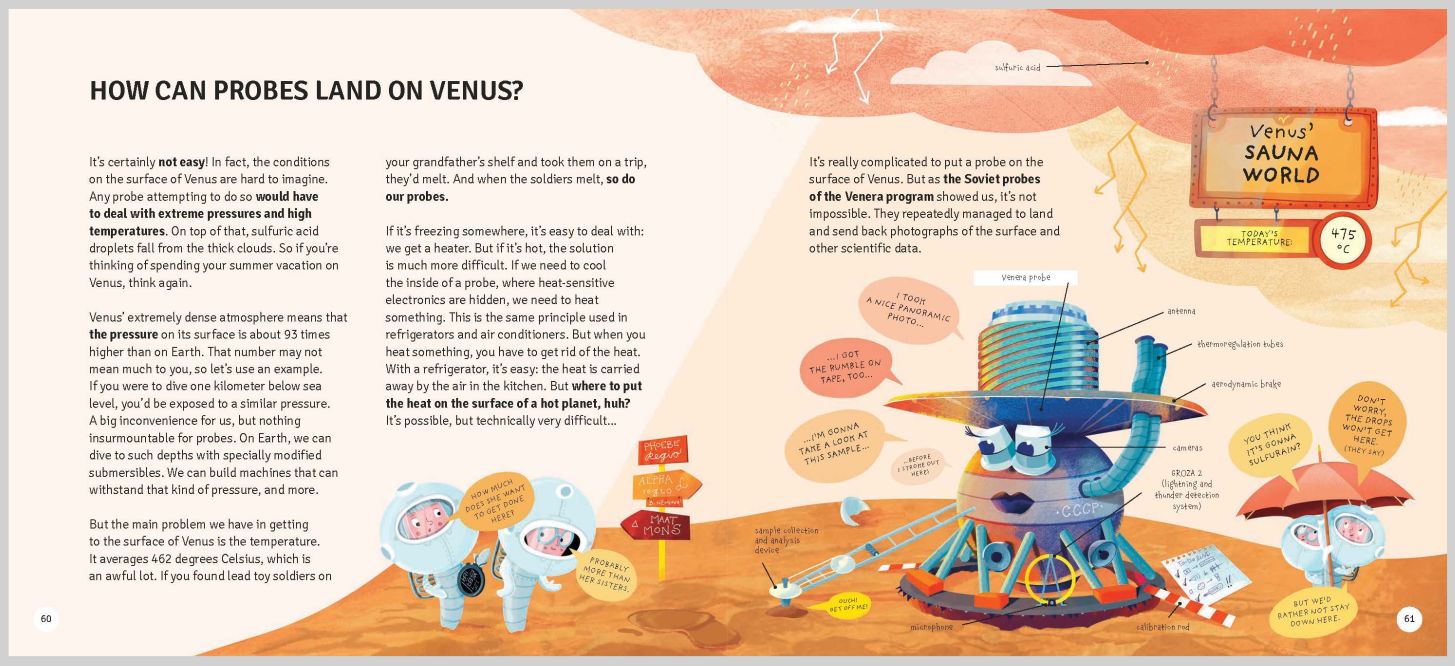
14:12–14:24
|
EPSC2026-39
|
ECP
|
On-site presentation
14:24–14:36
|
EPSC2026-638
|
On-site presentation
14:36–14:48
|
EPSC2026-353
|
On-site presentation
14:48–15:00
|
EPSC2026-1377
|
On-site presentation
15:00–15:12
|
EPSC2026-252
|
ECP
|
Virtual presentation
15:24–15:30
Discussion