SB2 | Active comets, asteroids, centaurs: dynamics, activity, and genetic links

SB2

Active comets, asteroids, centaurs: dynamics, activity, and genetic links
Convener: Olena Shubina | Co-conveners: Oleksandra Ivanova, Irina Belskaya, Ludmilla Kolokolova, David Jewitt, Jürgen Blum, James Bauer, Dennis Bodewits, Colin Snodgrass, Olga Muñoz
Orals THU1
| Thu, 10 Sep, 08:30–10:00 (CEST)|Room Sun (Amare Studio)
Orals THU2
| Thu, 10 Sep, 11:00–12:30 (CEST)|Room Sun (Amare Studio)
Posters THU-POS
| Attendance Thu, 10 Sep, 18:00–19:30 (CEST) | Display Thu, 10 Sep, 08:30–19:30|Foyer 3, F3.61–65
Thu, 08:30
Thu, 11:00
Thu, 18:00
This session focuses on the connections between various types of small bodies in the Solar System, including comets, asteroids, and centaurs, while emphasising their activity at different distances from the Sun. Special attention will be given to analysing the activity of small bodies in the context of their evolution, as well as addressing open questions and unresolved issues in this field. The session will also highlight the importance of monitoring and archival data, which serve as resources for current analysis and as crucial elements for long-term observations of small bodies. Furthermore, such data enable the study of changes in activity over time and provide essential context for understanding evolutionary processes.
Various research methods for studying small bodies will be discussed, with the use of data from new space missions and modelling techniques contributing to a more accurate understanding of the mechanisms behind their activity, as well as to the development of new approaches to studying the origin and evolution of small bodies in the Solar System.

Orals THU1: Thu, 10 Sep, 08:30–10:00 | Room Sun (Amare Studio)

Chairperson: Oleksandra Ivanova
08:30–08:42
|
EPSC2026-49
|
On-site presentation
Olena Shubina, Oleksandra Ivanova, and Leonid Shakun

Small Solar System bodies are widely regarded as the primary repositories of primordial matter, preserved since the early stages of planetary system formation. Among these, long-period comets (LPCs) represent a unique class of objects; their dynamical trajectories keep them at vast distances from the Sun for most of their existence, ensuring that their volatile and refractory components remain largely unaltered by intense solar radiation. Conversely, the study of short-period comets (SPCs) is indispensable for deciphering the thermal and physical evolution of cometary matter. Having undergone repeated perihelion passages, the coma particles of SPCs exhibit significant morphological and structural transformations. The systematic change in colour indices observed in these objects could serve as a critical diagnostic tool, reflecting the complex interplay of solar heating, devolatilisation, and surface processing that reshapes the dust and gas properties over time.

In this work, we present a comprehensive multiwavelength analysis based on observations of four short-period comets with orbital periods shorter than 10 years. The target objects include comets 4P/Faye, 32P/Comas Solá, and 41P/Tuttle-Giacobini-Kresák (hereafter 4P, 32P, and 41P), which belong to the Jupiter-family class, and 74P/Smirnova-Chernykh (hereafter 74P), classified as an Encke-type comet. The primary objective of this study was to characterise the physical and chemical properties of these bodies during their recent apparitions, with a focus on the comparative analysis of their gas and dust environments.

The observations were carried out using the multimode focal reducer SCORPIO-2 attached to the prime focus of the 6-m BTA telescope. We performed a detailed examination of the photometric, spectral, and polarimetric characteristics of the comets under various observing geometries. Preliminary analysis revealed the presence of prominent emission lines from several molecules, including C2, CN, and NH2, in the spectra of the Jupiter-family comets. These emissions indicate a well-developed gaseous coma with standard volatile sublimating patterns. Conversely, no significant emission features were detected in the spectrum of comet 74P. This is attributed to the comet being observed at a heliocentric distance of nearly 4 au.

Spatial distributions of the linear (for comets 4P and 41P) and circular (for comet 32P) polarisation degrees were constructed. The resulting maps revealed a remarkably homogeneous distribution of polarimetric properties, with no sharp gradients or dramatic variations observed across the coma regions. To enhance the signal-to-noise ratio and identify potential weak morphological features, various digital image processing techniques and filters were applied. Aside from the established coma and tail structures, no additional jet-like features or active shells were detected, pointing towards a relatively uniform surface activity for these nuclei.

Using the photometric and spectral datasets, we estimated the normalised spectral reflectance gradient (S') and the dust activity level parameter (Afρ). These parameters allowed for a rigorous characterisation of the dust component and its evolution with heliocentric distance. Gas production rates for the detected molecular species were calculated using Haser's model, providing a quantitative characterisation of the coma's gas environment. The obtained results indicate the presence of evolutionary changes in the dust and gas properties of the studied comets, consistent with their dynamical classes and observing conditions, and may suggest the influence of repeated perihelion passages on their physical and chemical evolution.

Acknowledgments

The research is supported by the Slovak Academy of Sciences (grant Vega No.2/0067/26) and by the Slovak Research and Development Agency under Contracts No. APVV-24-0076

How to cite: Shubina, O., Ivanova, O., and Shakun, L.: Dust and Gas in Comae of Four Short-Period Comets, Europlanet Science Congress 2026, The Hague, The Netherlands, 7–11 Sep 2026, EPSC2026-49, https://doi.org/10.5194/epsc2026-49, 2026.

08:42–08:54
|
EPSC2026-576
|
ECP
|
On-site presentation
Kiernan Foster, Martin Cordiner, Nathan Roth, Anthony Remijan, Nicolas Biver, Dominique Bockelée-Morvan, Jeremie Boissier, Boncho Bonev, Steven Charnley, Jacques Crovisier, Maria Drozdovskaya, Kenji Furuya, Miwha Jin, Yi-Jehng Kuan, Manuela Lippi, Dariusz Lis, Stefanie Milam, Cyrielle Opitom, Chunhua Qi, and Richard Simon

Determining isotopic ratios in cometary comae can be a useful characteristic in investigating the evolutional history of the chemical complexity of our Solar System. Carbon isotope fractionation has been measured in several comets for small molecules, such as C2, CN, and HCN, but larger molecules require either direct in situ observations or a very bright comet. In April of 2024, comet 12P/Pons-Brooks, a Halley-type comet and one of the brightest periodic comets, was targeted with a multi-facility observing campaign. This work focuses on Band 6 measurements made with the Atacama Large Millimeter/submillimeter Array of 12CH3OH and the first remote detection of 13CH3OH in a comet. Spectral modeling was carried out using the SUBLIME non-LTE radiative transfer code and an overall carbon isotopic ratio was determined. I will present the results of the modeling and discuss how this ratio compares to 12C/13C ratios derived from other comets and source types. These findings can contextualize recent measurements of the carbon isotopic ratio in protostars and protoplanetary disks which indicate unexpected 13C enrichment.

How to cite: Foster, K., Cordiner, M., Roth, N., Remijan, A., Biver, N., Bockelée-Morvan, D., Boissier, J., Bonev, B., Charnley, S., Crovisier, J., Drozdovskaya, M., Furuya, K., Jin, M., Kuan, Y.-J., Lippi, M., Lis, D., Milam, S., Opitom, C., Qi, C., and Simon, R.: Carbon isotope fractionation of CH3OH in Comet 12P/Pons-Brooks, Europlanet Science Congress 2026, The Hague, The Netherlands, 7–11 Sep 2026, EPSC2026-576, https://doi.org/10.5194/epsc2026-576, 2026.

08:54–09:06
|
EPSC2026-13
|
Virtual presentation
Gulchehra Kokhirova, Firuza Rakmatullaeva, and Serhii Borysenko

This work presents the results of CCD photometric observations of the Jupiter-family comet P/2019 LD2 (ATLAS), conducted in August 2020 at the Sanglokh International Astronomical Observatory of the Institute of Astrophysics, National Academy of Sciences of Tajikistan. Based on R band photometric analysis, physical parameters of the comet were derived. The dust production Afρ was estimated to be on the order of 250 cm at an aperture radius of ρ = 4.05″. The absolute magnitude of the comet was determined as m(1,1,0) = 11.42. Assuming a geometric albedo of A = 0.12 and using measurements in R band, an upper limit for the effective nucleus radius was evaluated as ~7.8 km. The photometric results indicate that, during the observational period in August 2020, the object exhibited clear signatures of cometary activity, including the presence of a developed coma. These findings contribute to the characterization of transitional objects between asteroids and comets within the Jupiter-family population.

Keywords: comets, photometry, observational, cometary activity.

How to cite: Kokhirova, G., Rakmatullaeva, F., and Borysenko, S.: Cometary Activity of P/2019 LD2 (ATLAS) in 2020, Europlanet Science Congress 2026, The Hague, The Netherlands, 7–11 Sep 2026, EPSC2026-13, https://doi.org/10.5194/epsc2026-13, 2026.

09:06–09:18
|
EPSC2026-954
|
On-site presentation
Giovanna Rinaldi, Pamela Cambianica, Andrea Reguitti, Silvio Giordano, Alessandra Mura, Paolo Ochner, Roberto Nesci, and Federico Manzini

Comets are remnants of the early Solar System, serving as natural archives of refractory and volatile compounds that have not undergone significant alteration, offering valuable clues about its origins and the early solar system. In this work, we present a characterization of the dust and gas environment of the long-period comet C/2023 A3 (Tsuchinshan-ATLAS). It was discovered on January 9, 2023, by the Tsuchinshan Observatory in China and independently by the Asteroid Terrestrial-impact Last Alert System (ATLAS) in South Africa. Comet C/2023 A3, also known as the “Great Comet of 2024”, was a highly anticipated bright comet that transited the inner Solar System in late 2024. The comet reached perihelion on September 27, 2024, at a distance of approximately 0.39 AU. Despite the close approach, the nucleus did not fragment, making it a primary target for assessing the primitive composition of the outer solar system.

We investigate Comet C/2023 A3 through the analysis of a comprehensive observational dataset, combining visible-range images and spectra, acquired during the pre- and post-perihelion passages in 2024. Observations were obtained using the 1.82-m Copernico Telescope and the 1.22-m Galileo Telescope at the Asiago Astrophysical Observatory. Additionally, the comet entered the field-of-view of the SOHO/LASCO C3 coronograph [1] from October 7 to 11, 2024, providing near-real-time images of its dust and ion tails. This dataset allowed for nearly continuous study of the dust and gas activity from 1.7 AU inbound to 1.8 AU outbound, encompassing the perihelion passage.

Preliminary spectroscopic analysis confirmed the presence of volatile species, including CO, CO2, and H2O, and indicated a CN depletion typical of Oort Cloud bodies. We also determined the Afρ parameter, obtaining a value of approximately 4000 cm, which confirms the high dust production rate previously reported for this comet [2,3,4,5].

Future analysis will include the calculation of gas production rates, the derivation of upper limits for the production rates of key molecular species, and a comparison of these results with those of other comets reported in the literature. We will also determine the Afρ parameter as a function of time, as well as the radial and azimuthal distributions of dust, to study any correlations among these parameters. The derived dust and gas results will be discussed in terms of both spatial distribution and temporal evolution.

These findings will contribute to a deeper understanding of the compositional diversity and evolutionary processes of this long-period comet, a body of particular interest as a possible target for the Comet Interceptor mission [6].

References

  • [1] Brueckner, G. E., et al.1995. Solar Physics, 162, 357-402.
  • [2]Cambianica et al. 2024, Planetary and Space Science, Volume 261, id.106102
  • [4]Spiro et al. 2024 AAS Division for Planetary Sciences meeting #56, id. 401.07. Bulletin of the American Astronomical Society, Vol. 56, No. 8 e-id 2024n8i401p07
  • [5] Moreno et al. 2025. Monthly Notices of the Royal Astronomical Society, Volume 539, Issue 2, pp. 949-955, 7 pp.    
  • [6] Snodgrass and Jones, 2019 Nature Communications, Volume 10, id. 5418

How to cite: Rinaldi, G., Cambianica, P., Reguitti, A., Giordano, S., Mura, A., Ochner, P., Nesci, R., and Manzini, F.: Dust and Gas Characterization of the Great C/2023 A3 comet Near Perihelion, Europlanet Science Congress 2026, The Hague, The Netherlands, 7–11 Sep 2026, EPSC2026-954, https://doi.org/10.5194/epsc2026-954, 2026.

09:18–09:30
|
EPSC2026-246
|
On-site presentation
Anhelina Voitko, Oleksandra Ivanova, Leonid Shakun, and Johannes Markkanen

Dynamically new comets differ from other representatives of the cometary population as they are making their first passage through the inner Solar System. These objects contain a larger amount of pristine material than short-period comets and returning comets. They tend to have higher activity levels, more consistent pre- and post-perihelion behavior, and shallower brightening [1, 2]. Among these objects, comet C/2017 K2 (PanSTARRS) is one of the most remarkable examples of distant cometary activity ever observed. The comet’s orbit was hyperbolic, and it passed perihelion on 19 December, 2022, at 1.79 au from the Sun [3, 4]. The comet was discovered active at a heliocentric distance of about 16 au and was later identified in archival images obtained at a larger distance of about 23.7 au [4, 5, 6], indicating sustained activity far beyond the typical water-ice sublimation zone. Such activity is thought to be driven by sublimation of hypervolatile species, particularly CO and CO2, or by crystallization of amorphous water ice [5, 7]. It was also suggested that there can be heterogeneous, clumpy volatile sources on the comet’s nucleus [8].

We present results of a comprehensive study of the activity and dust properties of comet C/2017 K2 (PanSTARRS) based on quasi-simultaneous photometric, spectroscopic, and polarimetric observations obtained on 1 and 5 June and 2 July 2022 with the 6-m Big Telescope Alt-azimuth (BTA) of the Special Astrophysical Observatory at heliocentric distances of about 3.0 - 2.7 au, together with long-term photometric monitoring carried out between March and July 2021 at heliocentric distances of about 6 - 7 au using the 0.61-m and 1.3-m telescopes of Skalnaté Pleso Observatory. The BTA observations were performed using narrowband cometary continuum and C2 filters, as well as Sloan g and r filters, allowing us to investigate the contribution of gaseous emissions to broadband photometry and their effect on the cometary color properties. In contrast, the Skalnaté Pleso observations were obtained at significantly larger heliocentric distances using broadband B, V, and R filters, where the recorded signal is expected to be dominated mainly by sunlight scattered by dust particles. Previous spectroscopic studies showed that gaseous emissions in C/2017 K2 (PanSTARRS) were weak or absent at large heliocentric distances [8], suggesting that the cometary activity during the early stages of our monitoring campaign was predominantly dust-driven.

Our results show a gradual increase in cometary activity as the comet approached perihelion without evidence of major outbursts, although moderate color variations were detected during the monitoring campaign. The dust production, expressed by the Afρ parameter, reached about 8200 cm at a heliocentric distance of 6.017 au, placing C/2017 K2 (PanSTARRS) among the most dust-productive distant long-period comets. To constrain physical properties of dust, we employ combined light-scattering and dust dynamical models to analyze the observed polarimetric and color maps. In addition, we use existing data such as JWST/MIRI [9] to further constrain the dust model and its evolution with the heliocentric distance.

References

1. Kwon, Y. G., et al. The Astrophysical Journal Supplement Series. 2025, Vol. 280, 2.
2. Lacerda, P., et al. Astronomy & Astrophysics. 2025, Vol. 697.
3. Combi, M. R., et al. 2025, Vol. 438.
4. Roth, N. X., et al. The Planetary Science Journal. 2026, Vol. 7, 4.
5. Ejeta, C., et al. The Astronomical Journal. 2025, Vol. 169, 2.
6. Królikowska, M. and Dones, L. Astronomy & Astrophysics. 2023, Vol. 678.
7. Hmiddouch, S., et al. Astronomy & Astrophysics. 2025, Vol. 701.
8. Cochran, A. L., McKay, A. J., and Moulane, Y. The Planetary Science Journal. 2025, Vol. 6, 11.
9. Woodward et al. The Planetary Science Journal. 2025, Vol. 6, 139.

How to cite: Voitko, A., Ivanova, O., Shakun, L., and Markkanen, J.: Activity of comet C/2017 K2 (PanSTARRS), Europlanet Science Congress 2026, The Hague, The Netherlands, 7–11 Sep 2026, EPSC2026-246, https://doi.org/10.5194/epsc2026-246, 2026.

09:30–09:42
|
EPSC2026-12
|
Virtual presentation
Gulchehra Kokhirova, Firuza Rakhmatullaeva, and Sergio Borysenko

We present the results of CCD photometric observations of comet C/2021 S3 (PANSTARRS), carried out during its post-perihelion period at the Sanglokh International Astronomical Observatory of the Institute of Astrophysics, National Academy of Sciences of Tajikistan (MPC code 193). The observations were conducted over five nights in June–July 2024 using the Zeiss-1000 telescope equipped with CCD camera FLI ProLine 16803 and broadband UBVR and I filters of the Johnson–Cousins photometric system. Image reduction and photometric measurements were performed following standard procedures, utilizing the Tycho Tracker software and the ATLAS star catalog. The photometric aperture was selected based on optimization of the signal-to-noise ratio. The measured apparent and absolute magnitudes reveal an increase in the comet’s brightness of approximately one magnitude from June to July, which is likely associated with a localized dust outburst. This interpretation is supported by the observed coma morphology and estimates of the dust production parameter. During the observational period, the comet was located at a heliocentric distance of 2.2–2.7 AU and continued to exhibit activity driven by solar heating.

How to cite: Kokhirova, G., Rakhmatullaeva, F., and Borysenko, S.: Photometric properties of comet C/2021 S3 (PANSTARRS) based on observations in 2024, Europlanet Science Congress 2026, The Hague, The Netherlands, 7–11 Sep 2026, EPSC2026-12, https://doi.org/10.5194/epsc2026-12, 2026.

09:42–09:57
|
EPSC2026-73
|
solicited
|
On-site presentation
Nicholas Attree, Abhinav Jindal, Raphael Marschall, Samuel Birch, Yuri Skorov, Olivier Groussin, and Pedro Gutierrez

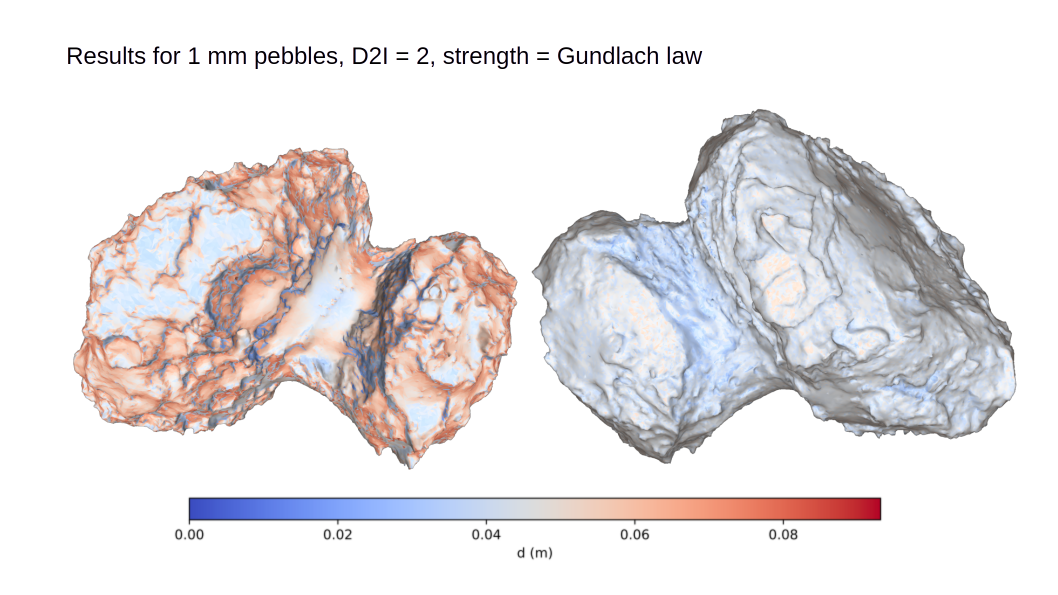
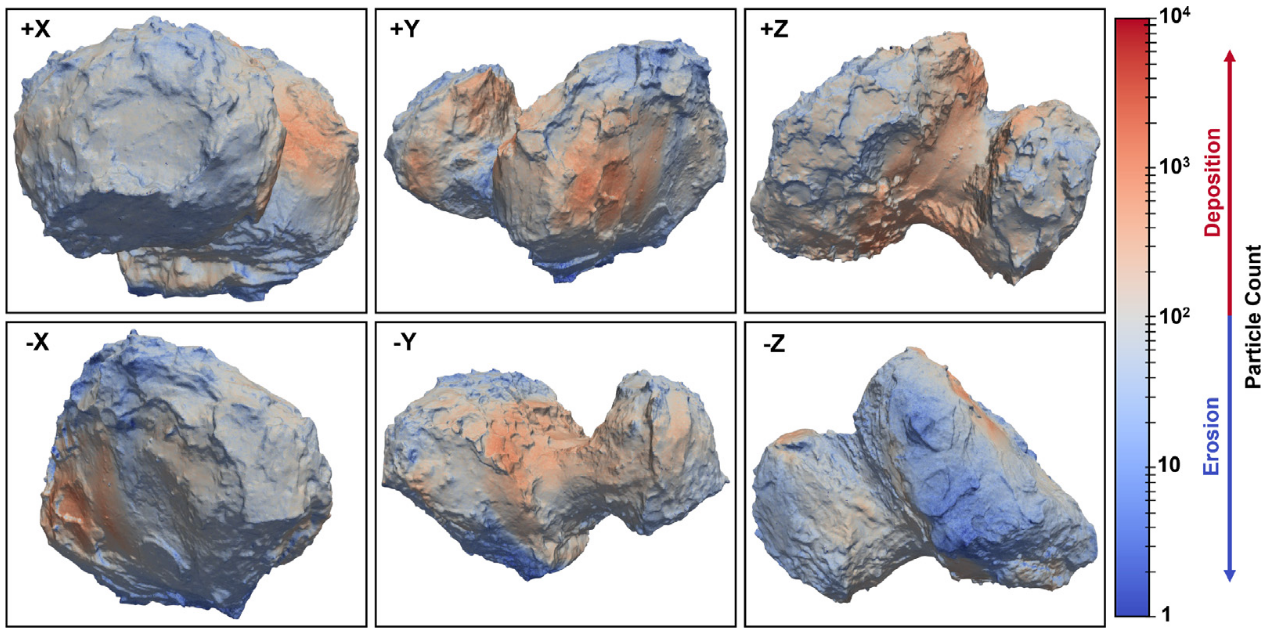
Understanding the activity of comets, including their temporally- and spatially-varying rates of outgassing and dust ejection, as well as how these relate to nucleus surface properties, remains a challenge for our models of cometary structure and material. In particular, thermophysical models (TPMs) with constant properties, such as dust-mantle thicknesses, have been shown to struggle to reproduce observations made by ESA’s Rosetta spacecraft at comet Churyumov/Gerasimenko (67P) [1].  Meanwhile, 67P's nucleus surface morphology shows large differences in dust coverage between the northern and southern hemispheres [2, 3], likely driven by the strong variations in insolation due to its obliquity [4]. Modelling of 67P's outgassing-induced non-gravitational forces and torques also suggests a connection between activity level, surface terrrain, and seasonal effects [5]. Taken together, these correlations suggest that a coupled model may help to explain the data: i.e., one capable of simultaneously simulating the sublimation of ice from beneath a dust mantle, and its momentum transfer, as well as the dynamic changes in said mantle's thickness due to dust ejection and redeposition. We will present the first steps towards building such a model. In particular, we will present recently published work [6] using ballistic trajectory modelling to elucidate the dust-transport pathways that shape the distribution of sediment deposits on 67P. Here, different regimes of local and global dust-redistribution are shown to be dependent on ejection velocity, while observed patterns between and within the different surface regions are reproduced. We will conclude with the current status of efforts to couple these dust-transport maps with a dynamic TPM [7] in an attempt to simultaneously reproduce 67P’s terrain distribution, total outgassing rate, and non-gravitational forces and torques. Such a combined model will have implications for analysing the activity and surface morpholgies of other resolved comets, and for inferring details of unresolved ones.

Fig 1. Global sediment redistribution at moderate ejection velocity from [6]. Results of simulations initialized with ∼100 particles per facet, showing the number of particles remaining on each facet of 67P’s shape model after 10 hops at an ejection velocity of 0.5 m s−1. Sediment transport at this velocity involves near-global redistribution driven primarily by the comet’s shape and rotation. Regions that intercept and accumulate material act as ‘‘collectors,’’ while those shielded from incoming trajectories form ‘‘shadow zones’’ with minimal deposition. These interactions establish the global sediment pathways that connect 67P’s distinct geomorphic units.

Fig 2. Preliminary results from a TPM with a dynamically varying dust depth driven by dehydration and ejections (currently no fallback). The plots show views of the dust-mantle depth (in metres) across 67P’s northern and southern hemispheres at the end of a simulation run over the Rosetta period.

[1] Skorov et al. MNRAS, 2020, 494, 3, 3310-3316

[2] El-Maarry et al., A&A 583, A26, 2015

[3] Birch et al, MNRAS 469, S50–S67, 2017

[4] Keller et al., A&A 583, A34, 2015

[5] Attree, N., P Gutiérrez, O Groussin,, A&A, 2024a, 690, A82

[6] Jindal et al., Icarus 455, 117099, 2026

[7] Shi et al., ApJL, 961 L16, 2024

How to cite: Attree, N., Jindal, A., Marschall, R., Birch, S., Skorov, Y., Groussin, O., and Gutierrez, P.: Coupling outgassing, dust-transport, and non-gravitational force models for cometary activity, Europlanet Science Congress 2026, The Hague, The Netherlands, 7–11 Sep 2026, EPSC2026-73, https://doi.org/10.5194/epsc2026-73, 2026.

09:57–10:00

Orals THU2: Thu, 10 Sep, 11:00–12:30 | Room Sun (Amare Studio)

Chairperson: Olena Shubina
11:00–11:12
|
EPSC2026-155
|
ECP
|
On-site presentation
Margherita Maria Revellino, Dominic Dirkx, Laura Faggioli, and Marco Micheli

Active small bodies experience significant non-gravitational effects due to outgassing. While increasingly complex models have been developed to describe cometary behaviour, often requiring detailed knowledge of the shape and composition of individual objects, the general formulation of non-gravitational accelerations still largely relies on the model proposed by Marsden et al. [1]. Recent studies [2] have shown that this formulation is unable to accurately reproduce the long-term motion of cometary bodies, thereby increasing uncertainties regarding the origin and dynamical evolution of long-period comets.

This work proposes an alternative model for the non-gravitational acceleration caused by outgassing, capable of reproducing and/or improving upon the results obtained with the Marsden and Yabushita models [1,3], while offering increased interpretability and improved physical realism.

The proposed model is defined using a sample set of well-characterised bodies, for which we remeasured datasets using the zero-aperture extrapolation method for cometary astrometry [4]. The formulation builds upon the Marsden model by retaining the RTN-frame formulation and constant $A_1$, $A_2$, and $A_3$ parameters, while directly reflecting the behaviour of sublimating volatiles. The resulting model can be extended to represent the sublimation of multiple volatiles at different distances from the Sun, improving trajectory accuracy at large heliocentric distances. The model parameters are selected based on literature studies, empirical laws, and sensitivity analyses.

We introduce both a single-volatile and a multi-volatile sublimation model, and validate both formulations across a larger pool of objects and conditions. The results show that, when fitting an orbit using astrometric data, the proposed formulations generally match or outperform the Marsden model in terms of normalised weighted root-mean-square residuals. Application of these models also enables the retrieval of information about the physical properties of cometary nuclei, such as the main sublimating species and the heliocentric distance at which a comet becomes significantly active, relying exclusively on orbit estimation.

In both versions, the ability to tailor the model to individual comets through the determination of optimal model parameters offers a level of flexibility not present in the Marsden formulation, whose fixed $r_0$, $m$, $n$, and $k$ constants are less intuitively adaptable.

Overall, the proposed models are effective in representing non-gravitational accelerations due to outgassing. Their interpretability, combined with their capacity to infer physical characteristics from purely dynamical behaviour, makes them a valuable complement to direct compositional studies and contributes to a more comprehensive understanding of both cometary dynamics and cometary physics.

References

[1] Marsden, B.G., Sekanina, Z., Yeomans, D.K., The Astronomical Journal, 1973, 78, 211–225.
[2] Królikowska, M., Dybczyński, P.A., Monthly Notices of the Royal Astronomical Society, 2017, 472(4), 4634–4658.
[3] Yabushita, S., Monthly Notices of the Royal Astronomical Society, 1996, 283(1), 347–352.
[4] Tholen, D.J., Chesley, S.R., Bulletin of the American Astronomical Society, 2004, 36, 11

How to cite: Maria Revellino, M., Dirkx, D., Faggioli, L., and Micheli, M.: Study of the Non-Gravitational Forces Acting on Long-Period Comets , Europlanet Science Congress 2026, The Hague, The Netherlands, 7–11 Sep 2026, EPSC2026-155, https://doi.org/10.5194/epsc2026-155, 2026.

11:12–11:24
|
EPSC2026-1000
|
On-site presentation
Mohamad Ali-Dib

Asteroid (269) Justitia, the primary target of the Emirates Mission to the Asteroid Belt, may preserve evidence of large-scale radial mixing in the early Solar System. We investigate its origin using a combination of orbital dynamics and surface-color constraints.

We perform N-body integrations over 100 Myr using WHFast in REBOUND, sampling orbital elements within Justitia’s observational uncertainties and varying the semimajor axis to explore the dynamical landscape in its neighborhood. Our results indicate that Justitia’s orbit is only marginally stable, with a 34% probability of scattering or ejection over this timescale. Figure 1 also shows that Justitia’s local dynamical environment is highly structured, with stability peaks and valleys produced by overlapping three-body mean-motion resonances and secular resonances with Jupiter and Saturn. In particular, we show that Justitia lies in both the g − 2g6 + g5​ nonlinear secular resonance and the 2J + 2S − 1 three-body mean-motion resonance. These dynamical results place stringent constraints on models of Justitia’s formation and emplacement.

We then place Justitia’s unusually red surface color in the context of trans-Neptunian object populations, identifying compositional affinities with outer Solar System bodies, particularly Centaurs. We also show how such objects could evolve onto Justitia-like orbits.

Finally, motivated by these dynamical and spectral results, we propose a new emplacement pathway for Justitia and support it with additional N-body simulations.

How to cite: Ali-Dib, M.: Dynamical Constraints on the Origin of (269) Justitia, Europlanet Science Congress 2026, The Hague, The Netherlands, 7–11 Sep 2026, EPSC2026-1000, https://doi.org/10.5194/epsc2026-1000, 2026.

11:24–11:36
|
EPSC2026-504
|
ECP
|
On-site presentation
Jiancen Liu, Yinglong Tang, Xiaohui Wang, and Yuxian Yue

The origin of comet 2P/Encke remains difficult to explain using purely gravitational dynamics, mainly because its present aphelion is decoupled from Jupiter. In this work, we investigate the backward orbital evolution of 2P/Encke under sublimation-driven recoil forces using a Monte Carlo approach. A dust-mantle thermophysical model is adopted to simulate the variation of the non-gravitational acceleration (NGA) with heliocentric distance. The numerical experiments show that both the magnitude of the NGA and its lag angle as functions of heliocentric distance are relatively insensitive to changes in the orbital elements and spin-axis orientation. We therefore fit the magnitude of the acceleration using a double power-law function and represent the lag angle using a piecewise linear function. The resulting empirical NGA model is then embedded into long-term orbital integrations.

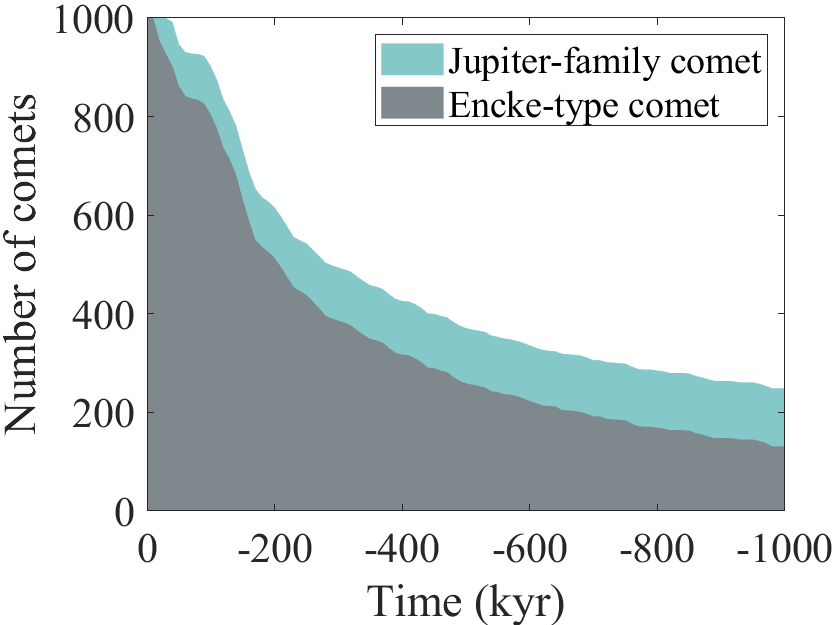
We integrate the backward evolution of 2P/Encke over the past 1000 kyr under different parameter settings, taking into account both nucleus erosion and the variation of the acceleration direction. In purely gravitational integrations including the giant planets, most test particles collide with the Sun under the influence of the Saturnian ν6 secular resonance, while the remaining particles stay in the inner Solar System. The terrestrial planets can provide a dynamical pathway connecting 2P/Encke with Jupiter-family comets, but the transfer efficiency is limited to about 4 percent.

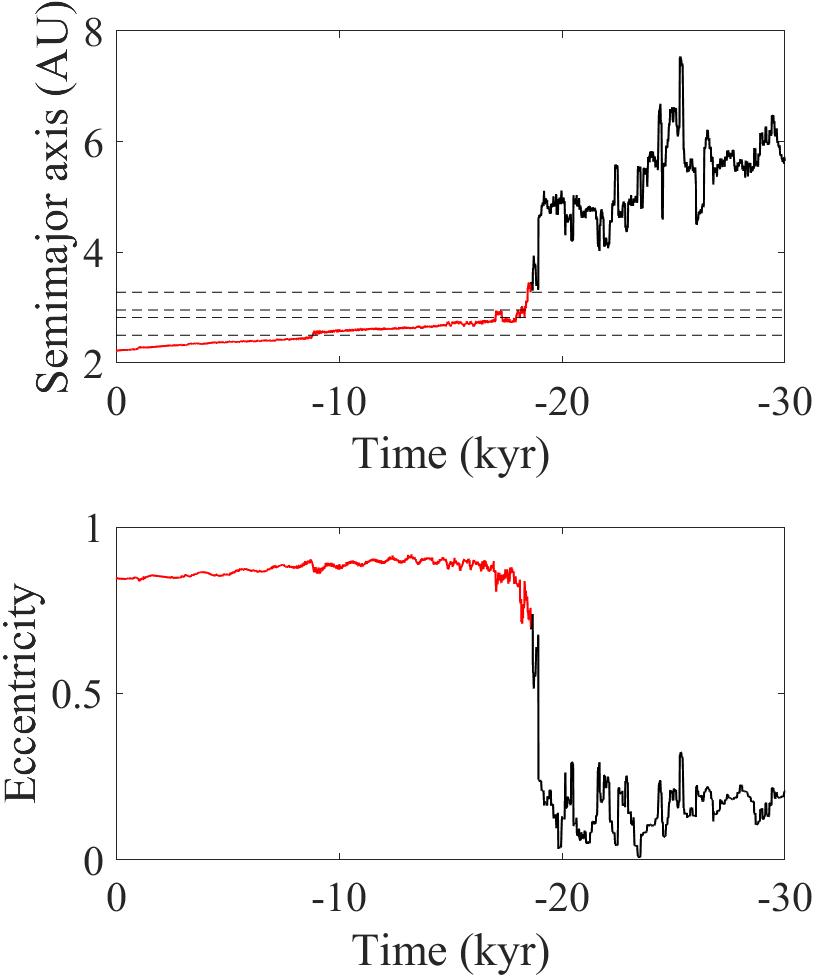
When a sufficiently large NGA, of the order of 1×10⁻⁹ AU/d2, is sustained, the aphelion distance and semimajor axis of some particles increase in backward time, allowing them to recover Jupiter-coupled orbits. Although this acceleration scale is higher than the observed value of about 2×10⁻¹⁰ AU/d2, the difference may arise partly from the different representations of the recoil force in our fitted thermophysical model and in the standard Marsden model. In this case, about 10 to 20 percent of the particles can be traced back to Jupiter-family comet orbits, with a mean transfer time of about 80 kyr and a mean active lifetime of about 20 kyr.

A smaller NGA does not improve the efficiency of tracing particles back to Jupiter-family-comet-like orbits, even though it allows a longer active interval before the nucleus reaches the same reconstructed size in backward integrations. Instead, it causes a large fraction of the particles to collide with the Sun rapidly. This behavior occurs because the current orbit of 2P/Encke lies in a dynamical transition region: decreasing the semimajor axis tends to drive particles into Jovian mean-motion resonances, whereas increasing the semimajor axis strengthens the influence of the ν6 secular resonance.

These results suggest that, after 2P/Encke entered the inner Solar System through gravitational scattering by Jupiter, its activity may have been dominated by supervolatile-driven outgassing. Such activity could have generated sufficiently strong NGA over tens of thousands of years, progressively lowering the aphelion distance, decoupling the comet from Jupiter, and ultimately producing its present orbit.

Figure 1. Backward orbital evolution of Monte Carlo clones of 2P/Encke over 1000 kyr with an imposed NGA of 1×10⁻⁹ AU/d2. The maximum nucleus diameter is limited to 30 km. A subset of particles recover Jupiter-family-comet-like orbits in backward time, supporting a non-gravitational pathway for the origin of 2P/Encke.

Figure 2. Backward orbital evolution of a representative particle. The red curve indicates the interval affected by NGA. In the upper panel, the black dashed lines indicate, from bottom to top, the nominal locations of Jupiter’s 3:1, 5:2, 7:3, and 2:1 mean-motion resonances.

How to cite: Liu, J., Tang, Y., Wang, X., and Yue, Y.: Tracing the origin of 2P/Encke through non-gravitational orbital evolution, Europlanet Science Congress 2026, The Hague, The Netherlands, 7–11 Sep 2026, EPSC2026-504, https://doi.org/10.5194/epsc2026-504, 2026.

11:36–11:48
|
EPSC2026-637
|
ECP
|
On-site presentation
Jose David Balseca Cisneros, Adriano Campo Bagatin, Paula Gabriela Benavidez Lozano, and Toni Santana-Ros

We present a search for faint, slowly moving bodies in the outer Solar System, with particular interest in large objects that may still remain undiscovered at heliocentric distances beyond 100 AU. The motivation for this work comes from models of the primordial planetesimal disk, which suggest that the early Solar System could have produced many Pluto-sized bodies, and perhaps even a small number of objects with sizes comparable to Mars. If any of these bodies have survived until today, they would be very difficult to detect because they are expected to be both faint and extremely slow-moving on the sky. In recent years, several surveys have explored this type of search, focusing on faint sources with very small apparent motions as a way to identify large TNOs beyond 100 AU.

Our search is based on deep, wide-field images obtained during the last four years with the 0.68-m Schmidt telescope at Mt. Bigelow and the 1.5-m Cassegrain telescope at Mt. Lemmon, both operated as part of the Catalina Sky Survey. We align and co-add unfiltered images taken on different nights in order to improve the detectability of faint distant sources, while keeping sensitivity to the small displacements expected for very slow objects. The image alignment is performed with Tycho Tracker, and the source detection is carried out with Python routines based on Astropy, together with a matched-filter technique. With this procedure, we reach a limiting magnitude of about V≈21.5V.

The candidates are then inspected over multiple epochs and checked with preliminary orbital fits using Find_Orb. This step helps to separate real distant Solar System objects from artifacts and false detections, which can be frequent in sparse, low-cadence datasets. Applying this pipeline, we discovered two new outer Solar System objects: the Centaur 2020 BO71 and the trans-Neptunian object 2020 TZ411, both later confirmed by the Minor Planet Center. These results show that Catalina Sky Survey archival images can be effectively used to search for faint, slow-moving objects, and that the method can be applied to other wide-field multi-epoch surveys.

How to cite: Balseca Cisneros, J. D., Campo Bagatin, A., Benavidez Lozano, P. G., and Santana-Ros, T.: A Search for Slowly Moving Distant Solar System Objects in the Catalina Sky Survey, Europlanet Science Congress 2026, The Hague, The Netherlands, 7–11 Sep 2026, EPSC2026-637, https://doi.org/10.5194/epsc2026-637, 2026.

11:48–12:00
|
EPSC2026-470
|
On-site presentation
Jens Richter and Jessica Agarwal

Active asteroid P/2021 L4 was discovered in June 2021 by Pan-STARRS in the outer asteroid belt [1], showcasing a pronounced dust tail and coma on images taken in June and July 2021, which were gone by September 2021. This activity occurred far from perihelion, but in 2024, recurrent activity has been confirmed upon L4’s approach to perihelion [2], confirming L4 to be a main-belt comet [3].

Archival observations of L4 following its discovery are available between 2021 and 2023 from various instruments, including the Very Large Telescope’s (VLT) FORS2 instrument, the Hubble Space Telescope’s (HST) WFC3, and the Canada-France-Hawaii Telescope’s (CFHT) MegaCam. Pre-discovery observations of L4 were found in images captured with the CFHT’s MegaCam in 2012 [4], but further search for pre-discovery data of L4 is hindered by the insufficient limiting magnitude of relevant surveys at the time. Serendipitously, one observation of L4 by Pan-STARRS during its 2014 perihelion passage could be identified, albeit at a poor signal-to-noise ratio.

Our analysis of these archival observations includes investigations into L4’s brightness, activity status, appearance, and tail properties across several epochs in order to constrain the causes and consequences of its 2021 activity. Aside from the 2021 and 2024 instances, no signs of activity are present in any other observations, and synchrone-syndyne analysis [5] indicates that the 2021 activity was short-lived, with an upper limit on the duration of no more than a few weeks.

Based on our findings, we believe that L4’s 2024 near-perihelion sublimation-based activity was enabled by the 2021 event creating the necessary conditions, and that L4 had not been active prior to its discovery in 2021. At main-belt distances, exposed water ice has a short survival time, which means that the existence of ice-sublimating main-belt comets requires such activation events [6], but this marks the first time that an activation event may have been captured observationally. Further insight will come from investigations into activation scenarios compatible with our 2021 observations of short-lived mass loss far from perihelion, such as impacts or rotational destabilisation.


References

[1] Wainscoat R., Cunningham C., Flewelling H., et al., Central Bureau Electronic Telegrams 2021, 4986, 1.

[2] Hsieh H.H., Sheppard S.S., & Thirouin A., Research Notes of the American Astronomical Society 2024, 8, 283.

[3] Jewitt D., & Hsieh H.H., The Asteroid-Comet Continuum, in: Comets III, Eds. K.J. Meech, M.R. Combi, et al., University of Arizona Press, 2024, 767-798.

[4] Ly K., Deen S., Nakano M., & Alexandersen M., Central Bureau Electronic Telegrams 2023, 5210, 1.

[5] Finson & Probstein, The Astrophysical Journal 1968, 154, 327-352

[6] Schörghofer N. & Hsieh H.H., Journal of Geophysical Research: Planets 2018, 123, 2322-2335.

How to cite: Richter, J. and Agarwal, J.: Creation of a Main-Belt Comet: Active Asteroid P/2021 L4, Europlanet Science Congress 2026, The Hague, The Netherlands, 7–11 Sep 2026, EPSC2026-470, https://doi.org/10.5194/epsc2026-470, 2026.

12:00–12:15
|
EPSC2026-281
|
solicited
|
On-site presentation
Charles Schambeau, Michael S. P. Kelley, Maria Womack, Eva Lilly, Theodore Kareta, Sara Faggi, Olga Harrington Pinto, Marco Micheli, Dominique Bockelee-Morvan, Yanga Fernandez, Adam McKay, Noemi Pinilla-Alonso, Javier Licandro, Aren Beck, Geronimo Villanueva, James Bauer, Lori Feaga, Michael DiSanti, and Kacper Wierzchos

The Solar System’s Centaurs, sourced from trans-Neptunian object (TNOs) populations, contain some of the most primitive materials remaining from Solar System formation. They occupy dynamically unstable orbits between Neptune and Jupiter that generally evolve inward toward the Sun, with some eventually becoming Jupiter-family comets.

As descendants of TNOs, Centaurs likely contain abundant volatiles that may become activated during their inward migrations due to increased solar heating. However, the known active fraction of Centaurs is relatively small, hovering around 10-15% [1, 2], raising questions about what conditions are required for an ice-rich small body to become active and sustain mass loss. Because Centaurs reside at heliocentric distances that are generally too cold for vigorous water-ice sublimation, their activity is likely driven by other means, such as sublimation of more volatile species (e.g., CO, CH4,  HCN, CO2, etc.) or recent changes in orbital heating [3, 4]. Active Centaurs therefore provide important tests of how volatile inventories, thermal evolution, and dynamical history combine to drive comet-like activity at relatively large heliocentric distances. We present a multi-wavelength case study of the active Centaur 450P/LONEOS [5], whose orbit was significantly altered by a close encounter with Saturn in 1992, moving it inward from a long-term trans-Saturnian orbit toward a more strongly heated orbit with perihelion closer to Jupiter.

We used Gemini-N/GMOS imaging from 2019 to 2024 and JWST/NIRSpec IFU Prism-mode spectroscopy obtained in 2023 to characterize 450P's nucleus, dust and gas in its coma, and likely activity mechanism. Gemini observations recovered 450P after more than a decade without observations and likely captured the first views of its inactive nucleus. The inactive-state photometry implies a small effective nucleus radius of RN = 1.8±0.5 km and a relatively red surface color of g' - i' = 1.15±0.09 mag. This color places 450P toward the red end of the neutral/gray active-Centaur population, suggesting that its surface may have experienced comparatively limited solar-driven processing since its recent inward migration.

Continued Gemini monitoring showed that 450P developed a faint dust coma as its heliocentric distance decreased from RH = 7.83 au to RH = 7.24 au. The coma was asymmetric and elongated in the tailward direction, consistent with dust grains being shaped by solar radiation pressure. From broadband optical photometry, we estimate a low dust production rate of approximately 4-8 kg/s, indicating weak but measurable activity at distances where water-ice sublimation from the nucleus should be inefficient.

JWST/NIRSpec observations obtained at RH = 7.16 au revealed a coma containing both dust and CO2 gas. The spectrum shows a strong CO2 emission feature at 4.26 microns, while no H2O or CO gas emission features were detected. We derive Q(CO2) = (6.99±0.07)×1024 molecules/s, with upper limits of Q(H2O) ≤ 1.2×1024 molecules/s and Q(CO) ≤ 5.2×1024 molecules/s. The CO2 morphology appears comparatively symmetric, in contrast to the elongated dust distribution, suggesting that CO2 is being released from the nucleus directed in the sunward hemisphere while the dust is subsequently modified by solar radiation pressure.

The reflectance spectrum also exhibits absorption features near 2.0 and 3.0 microns, consistent with water ice in the coma dust. Spectral modeling favors relatively large, intimately mixed grains composed of amorphous carbon and crystalline water ice, with an effective grain diameter of Deff = 5.9 microns and a volumetric ice fraction of approximately 33%. A subtle feature near 3.1 microns is consistent with the crystalline water-ice Fresnel peak, providing evidence that crystalline ice is present in larger coma grains.

Finally, we interpret 450P's activity in the context of its well-constrained orbital history. A simple thermal model incorporating its evolution since approximately 1500 CE suggests that the observed onset of activity is plausibly explained by CO2 release from sub-surface amorphous water ice undergoing crystallization at temperatures of roughly 140-160 K. Together, these results identify 450P as a recently activated Centaur whose present activity records the early thermal response of a small icy body after inward migration, providing a valuable link between primitive TNO-like material and the onset of cometary activity in the giant-planet region.


Acknowledgments: We gratefully acknowledge the support provided by the NASA SSO Program through award 80NSSC23K0678, the Space Telescope Science Institute through award JWST-GO-02416, and the Florida Space Research Initiative.


References: [1] Jewitt, D. (2009), The Active Centaurs, AJ, 137, 4296. [2] Bauer, J. M., Ivanova, O. V., McKay, A., and Sarid, G. (2025), Activity, Outbursts and Explosions. In: Volk, K., Womack, M., and Steckloff, J. I. (eds.), Centaurs. [3] Fernández, J. A., Helal, M., and Gallardo, T. (2018), Dynamical evolution and end states of active and inactive Centaurs, Planetary and Space Science, 158, 6–15. [4] Lilly, E., Jevčák, P., Schambeau, C. A., et al. (2024), Semi-major Axis Jumps as the Activity Trigger in Centaurs and High-Perihelion Jupiter Family Comets, ApJL, 960, L8. [5] Schambeau, C. A., Kelley, M. S. P., Womack, M., et al. (2026), JWST and Gemini Observations of the Active Centaur 450P/LONEOS: Nucleus and Coma Characterizations, PSJ, in press.

How to cite: Schambeau, C., Kelley, M. S. P., Womack, M., Lilly, E., Kareta, T., Faggi, S., Harrington Pinto, O., Micheli, M., Bockelee-Morvan, D., Fernandez, Y., McKay, A., Pinilla-Alonso, N., Licandro, J., Beck, A., Villanueva, G., Bauer, J., Feaga, L., DiSanti, M., and Wierzchos, K.: CO2-Driven Activity and Icy Coma Dust in the Active Centaur 450P/LONEOS, Europlanet Science Congress 2026, The Hague, The Netherlands, 7–11 Sep 2026, EPSC2026-281, https://doi.org/10.5194/epsc2026-281, 2026.

12:15–12:30

Posters: Thu, 10 Sep, 18:00–19:30 | Foyer 3

Display time: Thu, 10 Sep, 08:30–19:30
Chairperson: Olena Shubina
F3.61
|
EPSC2026-293
|
ECP
|
On-site presentation
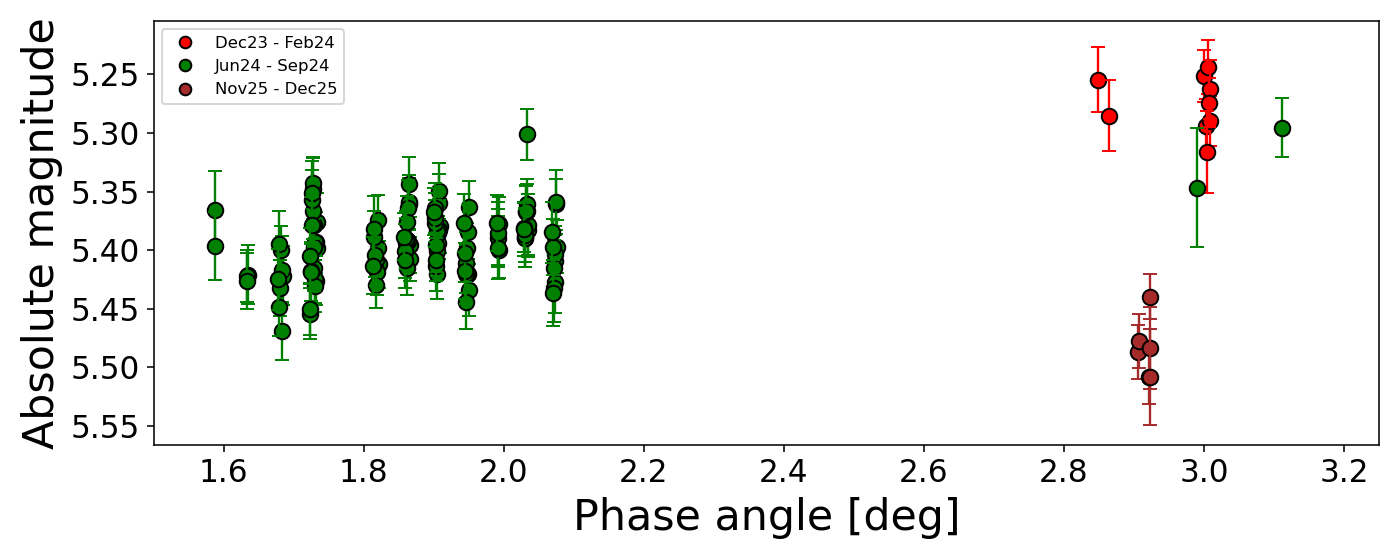
Vitalii Kuksenko, Javier Licandro, Miguel R. Alarcon, and Miquel Serra-Ricart
(2060) Chiron was one of the first classified Centaurs – transition population of small Solar System bodies residing between the orbits of Jupiter and Neptune (Kowal and Gehrels 1977). Previous studies have shown that Chiron demonstrated several periods of comet-like activity in the past. Recent ground-based photometric observations of this object by various instruments have discovered a sudden increase of brightness in February-June 2021 by ~1 mag (Dobson et al. 2021,2024). Possible explanations of this brightening event include cometary outbursts (Dobson et al. 2024), changing geometry of debris ring system (Ortiz et al. 2023), or resurfacing that altered Chiron’s albedo (Betzler 2023). According to these observations (valid for 2023), Chiron has not yet returned to its pre-brightening magnitude after the event.
 
In this work, we performed new photometric observations of Chiron covering the period from December 2023 till January 2026. The target was observed in several seasons by the facilities of the Two-meter Twin Telescope, which consists of two identical 2 m Ritchey-Chrétien robotic telescopes and their two smaller 0.8 m replicas (https://ttt.iac.es/). The data were collected with Sloan g’r’i’z-s’ broadband filters and Lum filter (equivalent to Sloan g’+r’ bands). In this poster, we will present the evolution of absolute brightness of Chiron in the post-brightening period and potential surface and/or dust coma color changes. Our results suggest that during the observed period, Chiron showed a potential continuous dimming that may be related to dust particle removal or settlement on the surface, or to the return of Chiron to its baseline activity regime.
 
Figure 1: Absolute magnitude in Sloan r’ band (phase corrected with β = 0.095) vs phase angle observed in different seasons (assigned with colors) showing the decrease in brightness with time.

How to cite: Kuksenko, V., Licandro, J., R. Alarcon, M., and Serra-Ricart, M.: Analysis of brightness and color evolution of active Centaur (2060) Chiron observed by the Two-meter Twin Telescope , Europlanet Science Congress 2026, The Hague, The Netherlands, 7–11 Sep 2026, EPSC2026-293, https://doi.org/10.5194/epsc2026-293, 2026.

F3.62
|
EPSC2026-544
|
ECP
|
On-site presentation
Sarah Howes, Olivier Witasse, Sascha Zeegers, Giovanni Santin, Matthew Taylor, Fredrik Johansson, Miho Janvier, Marco Pinto, Hugh Evans, Fabrice Cipriani, Erik Kuulkers, Gregoire Deprez, Petteri Nieminen, and Piers Jiggens

Introduction

The Standard Radiation Environment Monitor (SREM) aboard the Rosetta spacecraft was designed to record the number of high-energy particles – including galactic cosmic rays (GCRs) – that collided with the spacecraft throughout the mission [1,2]. During the orbital phase of Comet 67P/Churyumov–Gerasimenko (67P), SREM recorded a continuous 8-10% decrease in the number of GCRs that Rosetta encountered when compared to simulated counts based solely off heliocentric distance and solar activity [3]. Three preliminary hypotheses for the 8-10% decrease in SREM-detected GCRs are attenuation via magnetic field fluctuations, outgassing of volatiles, and/or dust grain production by 67P. While not an exhaustive list of possible explanations, these three factors contribute significantly to altering the surrounding environment Rosetta was exposed to. The goal of this work is to investigate whether or not dust grains in the coma of 67P can be a possible explanation for the SREM-detected attenuation. We aim to constrain what types of dust environments are necessary to cause significant levels of cosmic ray attenuation, and whether or not these environments are realistic when compared to that of 67P during its course towards perihelion.

Methods

Methods are divided into two parts. First, the attenuating power of various gaseous, ice, and refractory materials common to the environment surrounding 67P is analyzed using the Multi-Layered Shielding Simulation Software (MULASSIS) [4], a tool built to simulate high-energy particles impacting different shielding materials. ­The geometry of the shielding material is chosen to be a planar slab, with thickness either defined by column density for gas species, or width for refractory species. Column density is varied between 10-3 – 102 g cm-2, while refractory thickness is varied within 10-6 – 102 cm. For each simulation, the attenuation fraction of a spectrum of incident GCRs impacting the material is determined. The total amount of material required to create an 8% energy attenuation matching the SREM detections is then recorded for all species.

Second, simulations of GCR trajectories through comet comae are performed in order to determine the total number of grains that incident GCRs would likely interact with. This provides an estimate for the cumulative grain thickness to compare to our MULASSIS results. To do this we use the Cometary Model for Dust Environments (ComMoDE) [5], a model used to simulate cumulative dust fluence onto an object whose trajectory passes through the material ejected by a comet. Grain size distribution, dust production, and gas production rates are all varied to represent typical cometary environments. For each environment, total accumulated grain thickness is recorded and compared to thicknesses derived by MULASSIS. The compatible environments are then compared to observed environmental conditions of 67P for validation.

Results

MULASSIS: In order to achieve a minimum 8% GCR attenuation, the necessary column densities of H2O, CO2, and CO vapor were 7-8 magnitudes higher than that observed by Rosetta, indicating that the primary attenuating agents are not likely gaseous species. Upon testing the various refractory materials, an average slab thickness of 1.36±0.66 cm was found necessary to attenuate 8% of incident GCRs. Attenuation curves for calculated gas species (left) and refractory species (right) are shown in Fig. 1. Depending on the relative abundance ratio of less dense (ice and carbonaceous) to dense (silicate and sulfide) materials present in the coma of 67P, the total required thickness would increase or decrease, respectively. With the majority of the composition of refractory material belonging to the carbonaceous classification [6], it is expected that the attenuating thickness of dust grains lies closer to the upper bound of our reported value.

ComMoDE: We find that 1.36±0.66 cm is an achievable cumulative thickness for two possible cases: GCRs may suffer from attenuation via frequent, low-energy loss collisions with small (sub-µm) grains, or attenuation via few, high-energy loss collisions with large (µm-mm) grains. Under these two cases, the cumulative thickness experienced by an incident flux of GCRs reaches the 1.36±0.66 cm threshold within typical grain size limits (≤103 µm), shown in Fig. 2. These preliminary simulations indicate that the dusty environment of 67P can be a compatible explanation for the 8% GCR attenuation reported by SREM. It is possible however that attenuation due to dust accounts for only a fraction of the total observed GCR reduction. Other variables not examined in this work, including an induced magnetic field and Forbush decrease events possibly occur as well throughout Rosetta's mission and may account for a percentage of the attenuation.

Conclusion

By studying the absorbing power of different grain materials and modeling GCR trajectories through dusty environments, we investigate a common process that occurs in dense interstellar molecular clouds and apply it to cometary environments. For future work, more complex factors, including mixtures of different grain and ice compositions, non-spherical and porous shapes of grains, as well as GCR trajectories and scattering behaviors are suggested to be added to these preliminary simulations of irradiated grain environments. With the planned launch of the Comet Interceptor mission, a multitude of new opportunities to study grain-GCR interactions will ultimately present themselves in the future.

Fig. 1: MULASSIS GCR fraction attenuation results for primary gas (left) and refractory (right) species. The dashed black line indicates the observed 8% attenuation measured by Rosetta SREM.

Fig. 2: Cumulative thickness for two scenarios in which parameters intersect with 1.36±0.66 cm (green line and shaded area): low power-law index (κ), dust production rate (Qd), and dust-to-gas mass ratio (χ) (blue), or high κ, Qd and χ (red). Qd is measured in kg s-1.


[1] Evans, H.D.R., et al. (2008). Advances in Space Research, 42(9), 1527-1537.; [2] Siegl, M., et al. (2009). 2009 European Conference on Radiation and its Effects on Component Systems (p. 539-543).; [3] Honig, T., et al. (2019). Annales Geophysicae, 37(5), 903-918.; [4] Lei, F., et al. (2002). IEEE Transactions on Nuclear Science, 49(6), 2788-2793.; [5] Haslebacher, N., et al. (2025). CEAS Space Journal. [6] Choukroun, M. et al. (2020). Space Sci. Rev., 216(3), 44.


How to cite: Howes, S., Witasse, O., Zeegers, S., Santin, G., Taylor, M., Johansson, F., Janvier, M., Pinto, M., Evans, H., Cipriani, F., Kuulkers, E., Deprez, G., Nieminen, P., and Jiggens, P.: Galactic Cosmic Ray Attenuation in Dusty Cometary Environments, Europlanet Science Congress 2026, The Hague, The Netherlands, 7–11 Sep 2026, EPSC2026-544, https://doi.org/10.5194/epsc2026-544, 2026.

F3.63
|
EPSC2026-546
|
On-site presentation
Jake Hanlon and Geraint Jones

The sublimation of volatiles from comets near the Sun such as water ice results in the ejection of vast quantities of dust grains from the nucleus. These ejected grains are then sorted by radiation pressure forces to form a dust tail. Visually spectacular dust tails, such as that of C/2006 P1 (McNaught), often display linear striations across the tail, termed striae, the formation of which remains debated, with suggestions that they result either from fragmentation [1] or from solar-wind-related mechanisms [2, 3].

Comet C/2024 G3 (ATLAS) is another example of a visually spectacular comet with well-defined striae. In January 2025, the comet’s dust tail passed through the fields of view of the wide field cameras onboard the Solar Terrestrial Relations Observatory, Solar Orbiter, and Solar and Heliospheric Observatory missions. Here we present an analysis of these images using a method known as temporal mapping [2], which transforms an image of a dust tail into a fixed phase space in which the date of grain ejection is represented on the x-axis and the ratio of radiation pressure to gravitational force (grain β) is represented on the y-axis. The technique identifies numerous striae across the tail, and we discuss the effects of solar-wind structures such as the heliospheric current sheet, which separates regions of opposite magnetic polarity, and the surrounding heliospheric plasma sheet. The temporal mapping technique can help improve our understanding of the nature of cometary dust-grain interactions with the solar wind and reveal otherwise invisible solar-wind structures.

[1] Sekanina, Z. and Farrell, J. A.: The striated dust tail of Comet West 1976 VI as a particle fragmentation phenomenon, The Astronomical Journal, 85, 1538–1554, 1980. doi:10.1086/112831.

[2] Oliver Price, Geraint H. Jones, Jeff Morrill, Mathew Owens, Karl Battams, Huw Morgan, Miloslav Drückmüller and Sebastian Deiries: Fine-scale structure in cometary dust tails I: Analysis of striae in Comet C/2006 P1 (McNaught) through temporal mapping, Icarus, 319, 540–557, 2019. doi:10.1016/j.icarus.2018.09.013.

[3] Oliver Price, Geraint H. Jones, Karl Battams and Mathew Owens: Fine-scale structure in cometary dust tails II: Further evidence for a solar wind influence on cometary dust dynamics from the analysis of striae in comet C/2011 L4 Pan-STARRS, Icarus, 389, 115218, 2023. doi:10.1016/j.icarus.2022.115218.

How to cite: Hanlon, J. and Jones, G.: Comet dust tails as a tracer for the solar wind., Europlanet Science Congress 2026, The Hague, The Netherlands, 7–11 Sep 2026, EPSC2026-546, https://doi.org/10.5194/epsc2026-546, 2026.

F3.64
|
EPSC2026-407
|
On-site presentation
Marek Husarik, Oleksandra Ivanova, Olena Shubina, Anhelina Voitko, Alexey Sergeyev, and Jin Beniyama

Comets are among the most ancient celestial bodies in the Solar System and play a pivotal role in our understanding of its formation and evolution, as well as the origin of life on Earth. As comets approach the Sun, they become active, releasing gas and dust that form the distinctive comae and tails observed in these celestial objects. Despite the extensive research conducted on cometary activity in closer proximity to the Sun, our understanding of its initiation and behavior at greater heliocentric distances remains limited. The primary objective of our research is to undertake a comprehensive investigation into the initial phases of cometary activity that transpire at considerable distances from the Sun. This investigation will encompass the examination of the manner in which this activity undergoes modification as comets draw near or retreat from the Sun. We have used archival data from a variety of observing programs, including, but not limited to, ZTF, Pan-STARRS, DES, ATLAS, and other relevant sources. It is asserted that these data will form the foundation for the development of more accurate models of cometary activity. The project focuses on the dust component of comets, their morphological features, and the dynamics of their interaction with solar radiation. The study will enhance our understanding of comet composition and the processes driving early activity by monitoring at different heliocentric distances, assessing dust formation, and observing color changes. The project is of paramount importance for preparing for data analysis from future missions, including the Comet Interceptor, which will study long-period comets, and observations from the recently commissioned Vera C. Rubin Observatory.

To start with, we chose the "blue" comet C/2016 R2 (PANSTARRS). We analyzed observations of it from the Skalnaté Pleso Observatory in January 2018, and from the ZTF archive, which contains observations from April and late 2018, as well as the entire year of 2019. In 2020 and 2021, the comet was so faint that we did not use the observations. ZTF observation measurements (primarily in the g and r filters; the i filter is minimally represented) show a very slight decrease in brightness with increasing geocentric and heliocentric distance. However, the Afρ parameter values (at an aperture of ~10,000 km) are practically constant (between 400 and 500 cm, depending on the filter) and have even been rising slightly since mid-2019.

How to cite: Husarik, M., Ivanova, O., Shubina, O., Voitko, A., Sergeyev, A., and Beniyama, J.: Searching for early cometary activity and its evolution based on archival data, Europlanet Science Congress 2026, The Hague, The Netherlands, 7–11 Sep 2026, EPSC2026-407, https://doi.org/10.5194/epsc2026-407, 2026.

F3.65
|
EPSC2026-150
|
On-site presentation
Elena Martellato, Sonia Fornasier, Charlotte Goetz, Aurelie Guilbert-Lepoutre, Jean-Baptiste Vincent, Cecilia Tubiana, Raphael Marschall, Vladimir Zakharov, Michael Kueppers, Colin Snodgrass, Seiji Sugita, and Giulio Pinzan

Introduction: Comet Interceptor [1] is a joint space mission of the European Space Agency (ESA) and the Japan Aerospace Exploration Agency (JAXA). Its primary goals are to provide the first-ever in-situ characterisation of a Long Period Comet (LPC), which could be a dynamically-new comet or an interstellar object, and to perform the first simultaneous multi-point exploration of a cometary coma and nucleus.

Comet Interceptor is the first rapid response mission [2]. The mission will be launched in piggy back mode between the second semester of 2028 and the first semester of 2029 on Ariane 6, towards the Sun-Earth Lagrange point L2, where it will wait for its target comet passage.

Comet Interceptor consists of one main spacecraft (S/C A), and two deployable probes, named Probe B1 and Probe B2, which are provided by JAXA and ESA, respectively, allowing unique and simultaneous observations of the target from different geometries. The S/C A is devoted to the physical characterisation of the cometary nucleus and coma via remote sensing and in situ observations during the selected target fly-by.

Science Objectives: The mission will investigate the processes of planetesimal formation and disentangle primordial versus evolutionary processes by comparing the composition and physical properties of a pristine LPC with those of the Short Period Comets (SPCs) previously investigated by space missions, in particular by the Rosetta mission which explored comet 67P for more than two years. Specifically, the objectives of Comet Interceptor are:

1) Comet Nucleus Science: What is the surface composition, shape, morphology, and structure of the target object?

2) Comet Environment Science: What is the composition of the coma, its connection to the nucleus (activity) and the nature of its interaction with the solar wind?

Science Activities: The search for the target comet is underway, and preparations are being made for the scientific exploitation of the data from the mission’s three spacecraft.

The selection and scientific investigations of the target comet, as well as the development of the mission instruments and science operation areas, are supported by Working Groups (WGs). These are the Science Operation WG, Target Identification WG, and Comet Environment WG. The latter comprises three sub-WGs, covering the Comet Nucleus, Near-Environment (inner dust and gas coma), and Far-Environment (outer dust and gas coma and tails) topics. The specific tasks of the Comet Environment WG are to develop and provide results from scientific models addressing questions relevant to the implementation and operation of the mission and to achieve its scientific objectives.

Here, we provide a brief overview of the mission, and we present and describe the aims and activities of the working groups over the past year. One of the recent activities of all the Comet Environment sub-working groups is the preparation of a large repository of numerical models to favour the successful planning for scientific operations and data interpretation. Other activities include the analysis of available data on comets to better understand the environment expected during the encounter and establish base line parameters for target selection.

A list of virtual LPC targets has been established and these targets are under evaluation. Additional LPCs are expected to be detected in the near future thanks to ground-based survey, notably from the Vera C. Rubin Observatory Legacy Survey of Space and Time (LSST) [3]. These are going to be considered as proxy to inquire on the:

  • 1) Nucleus science: (i) measure the size, shape, and rotation rate of the target comet nucleus; (ii) return resolved images of the surface that reveal its morphology: (iii) constrain the nucleus composition directly via remote sensing observations (imaging, spectroscopy, and polarimetry).
  • 2) Environment science: (i) map the bulk neutral composition of the coma and determine any local structure and connection to the nucleus ices distributions and active areas; (ii) derive coma isotopic composition by mapping the distribution of neutral gasses and their relation to nucleus inhomogeneity; (iii) characterise the structure of the coma dust environment and determine any connection to the nucleus; (iv) characterise coma dust properties, and determine dust fluxes; (v) analyse motion and evolution of ion rays and other coma and tail features (i.e., dust and gas); (vi) characterise the plasma environment around the target, determine any resulting boundaries and assess energy, mass, and momentum transfer.


References: [1] Jones, G.H. et al. (2024) Space Sci. Rev. 220, 9. [2] Snodgrass, C. & Jones, G.H. (2019) Nat. Comm. 10, 5418. [3] Inno, L., et al. (2025) Icarus 429, 116443.

How to cite: Martellato, E., Fornasier, S., Goetz, C., Guilbert-Lepoutre, A., Vincent, J.-B., Tubiana, C., Marschall, R., Zakharov, V., Kueppers, M., Snodgrass, C., Sugita, S., and Pinzan, G.: Activities of the Comet Interceptor Comet Environment Working Group, Europlanet Science Congress 2026, The Hague, The Netherlands, 7–11 Sep 2026, EPSC2026-150, https://doi.org/10.5194/epsc2026-150, 2026.